In my previous article, I introduced some Japanese onomatopoeia used to describe senbei textures.
This time, I’m taking things a little further and introducing some of the onomatopoeic words we Japanese use all the time in everyday life—not just for food textures.
Learning a few of them might even help you get a little closer to understanding Japanese and how we communicate!
Everyday Japanese Onomatopoeia
Food Textures
First, here are some very common Japanese onomatopoeic words for food textures, other than the ones I introduced in my senbei texture article.
Mochi Mochi
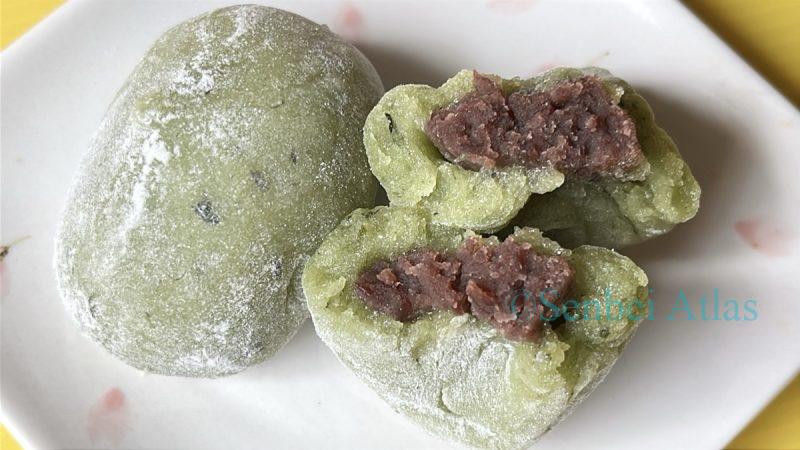
Like mochi, Mochi Mochi (もちもち) has a pleasantly springy and chewy texture.
This onomatopoeia is commonly used for mochi, rice, bread, sweets, and other foods. Apparently, we Japanese really love foods with this kind of texture.
Puri Puri
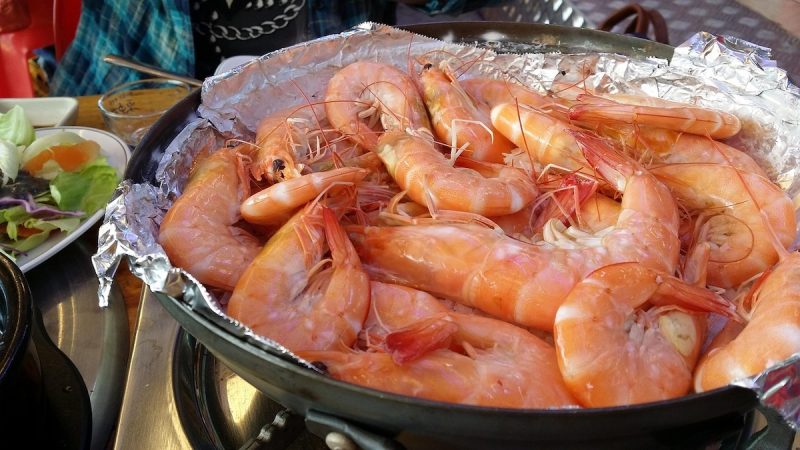
Puri Puri (プリプリ) has a firm, springy texture that seems to burst with every bite.
When it comes to shrimp, this onomatopoeia is pretty much guaranteed 😆
Hoku Hoku
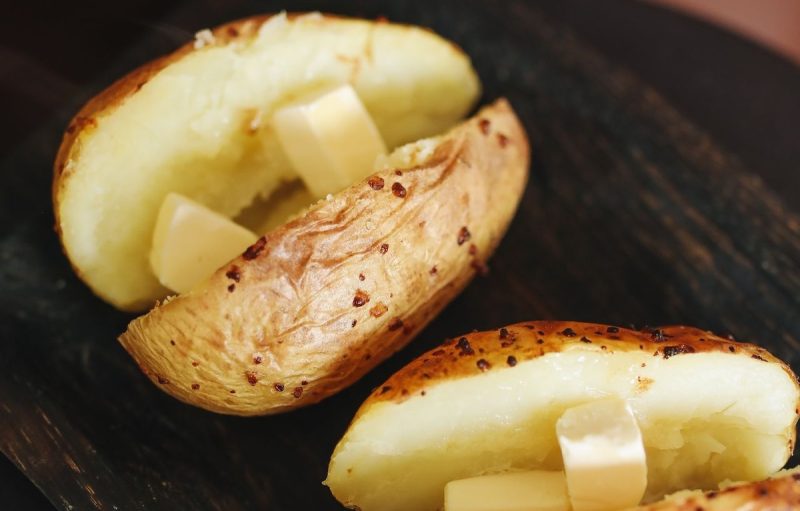
Hoku Hoku (ホクホク) describes a warm, fluffy texture with relatively little moisture that crumbles easily.
It’s often used for freshly cooked potatoes and sweet potatoes.
Touch & Texture
Not just food textures—Japanese also has onomatopoeic words for how things feel to the touch.
Sara Sara
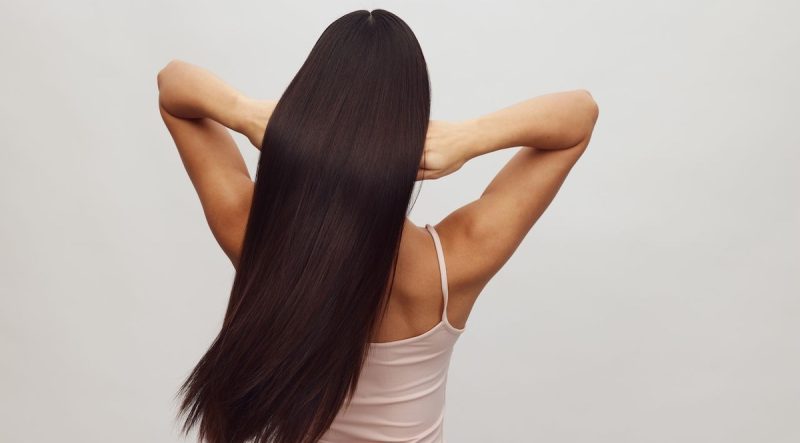
Sara Sara (サラサラ) is smooth and silky, with little friction. It’s often used for hair, skin, and other smooth surfaces.
Zara Zara
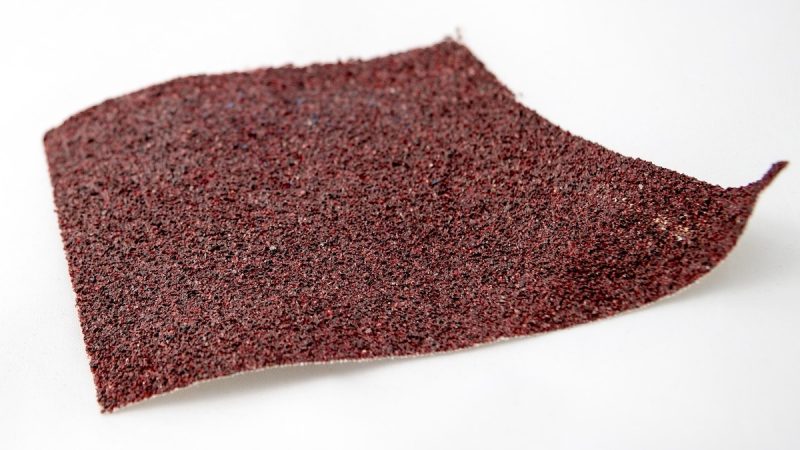
Zara Zara (ザラザラ) has a rough, grainy texture that feels uneven to the touch.
It’s often used for rough surfaces like walls and paper.
It’s the opposite of Sara Sara (サラサラ), so it’s pretty easy to see how changing the “S” sound to a “Z” sound changes the feel of the word.
Beto Beto
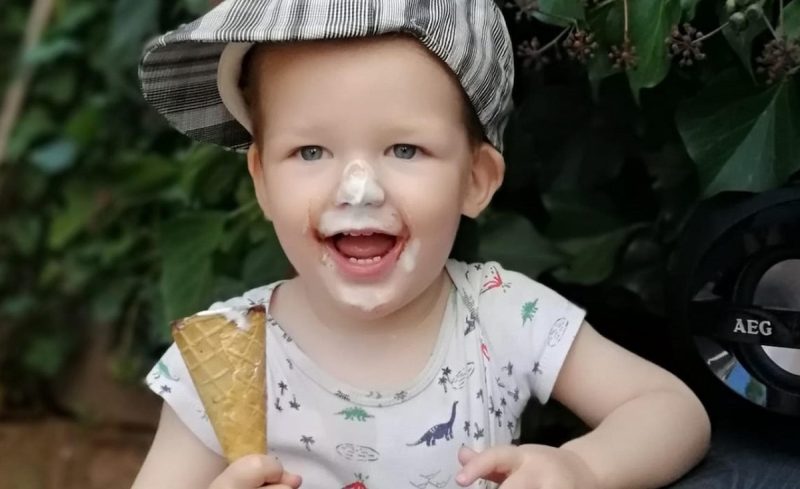
Beto Beto (ベトベト) feels sticky and greasy, with an unpleasantly tacky feel. It’s often used for oily hands, sticky food, and surfaces.
Emotions
We use onomatopoeic words all the time to express emotions, too.
Waku Waku
Waku Waku (ワクワク) means feeling excited and looking forward to something 💕 It’s very commonly used.
Example: Taylorのライブにワクワクする。
I’m so excited to see Taylor Swift live.

Ira Ira
Ira Ira (イライラ) means feeling irritated or annoyed 😠 It’s just as common in everyday conversation as Waku Waku.
Example: Wi-Fiが遅くてイライラする。
I’m getting annoyed because the Wi-Fi is so slow.
Moya Moya
Moya Moya (モヤモヤ) describes a feeling of unease or dissatisfaction that won’t go away, leaving you feeling unsettled 😕
It’s often used when something doesn’t sit right with you, even if you can’t quite put your finger on why 😶🌫️
In English, there are different ways to express this kind of feeling depending on the situation, but in Japanese, Moya Moya can cover most of them.
Example: 「何でもいい」と言われたのに「それは嫌」と言われてモヤモヤする。
They said, “Anything is fine,” but then said, “I don’t like that.” Now I’m feeling unsettled.
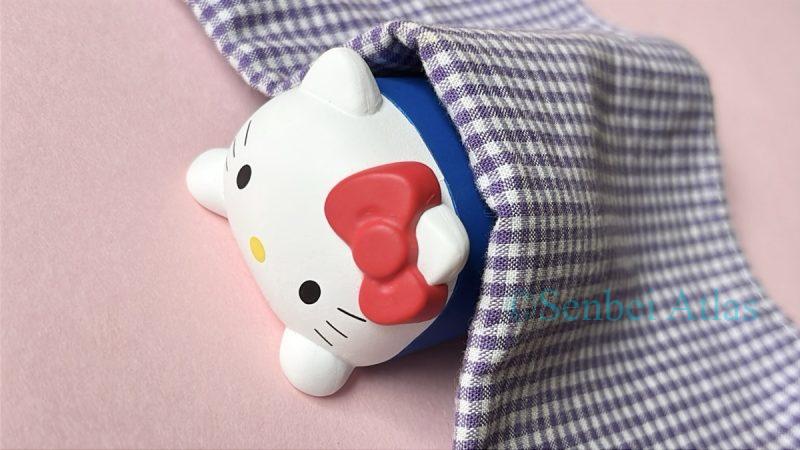
Maybe this one feels especially Japanese because we don’t always say exactly what we think, and sometimes end up feeling Moya Moya afterward 😆
Actions & States
Japanese onomatopoeic words can describe actions and states, too.
Kira Kira
Kira Kira (キラキラ) describes something shining or sparkling. It’s used not only for physical things like stars and jewels, but also to describe someone or something as lively, beautiful, or glamorous.
Example: 靴をくわえた愛犬が、キラキラした目で私を見つめている。
My dog is staring at me with sparkling eyes, a shoe in its mouth.

Boro Boro
Boro Boro (ボロボロ) is the opposite of Kira Kira. It describes something that is badly worn, damaged, broken, or falling apart.
It can also be used for people who are completely exhausted or emotionally devastated.
Example: 私の靴をボロボロにした犯人が、尻尾を振っている 🐕
The culprit who destroyed my shoes is wagging his tail.
Example: Taylorが結婚して心がボロボロなので、今日は仕事を休みます。
Taylor Swift got married, and I’m so heartbroken that I’m taking the day off.
Goro Goro
Goro Goro (ゴロゴロ) describes something large rolling around, but it can also mean lounging around at home and doing nothing much — basically, Dara Dara (ダラダラ).
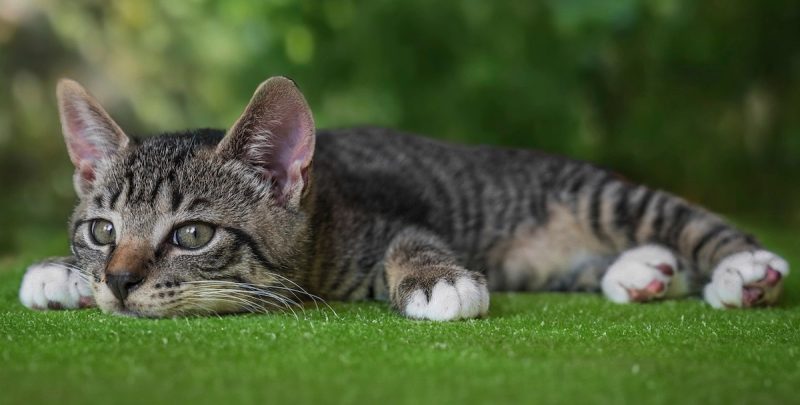
Dara Dara means spending time lazily without doing much, often with the feeling of just letting time pass.
Example: 猫は、ゴロゴロしてダラダラするのが仕事です。
A cat’s job is to lounge around and do nothing all day 😊
Wrapping Up
Japanese onomatopoeia is everywhere in everyday life, and there are countless more words to discover.
Once you start noticing them, you’ll probably hear them everywhere 😆
This is another article that gives you a little glimpse into Japanese culture!