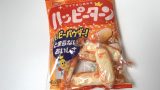
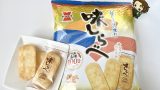
In previous posts, I’ve compared Happy Turn and Ajishirabe through the lenses of “Vol. 1: Branding” and “Vol. 2: Tasting.”
In this final part of the series, I’m going to decode the secrets of their deliciousness and the difference in satisfaction by comparing their ingredients!
Plus, I’ve explored the psychological reasons behind why we just can’t stop eating Happy Turn 🤔
The Secret of Deliciousness
In Vol. 2, I shared my subjective thoughts on why Happy Turn and Ajishirabe taste so good. But what exactly is the source of that flavor? I’ve analyzed the ingredients to find out!
Happy Turn
What exactly makes up the flavor of “Magic Powder”? Let’s take a look at the ingredients.
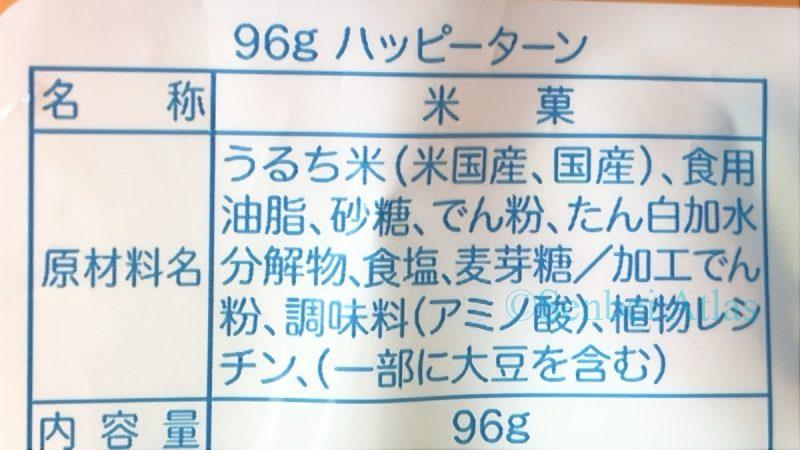
For the saltiness, it seems they simply use “salt.”
The sweetness, however, is more complex, coming from a blend of “sugar and maltose.” By combining these two types of sweeteners, they achieve a rich, multi-layered sweetness that a single sugar simply couldn’t provide!
The umami is driven by “hydrolyzed protein and seasonings (amino acids, etc.).” This specific combination triggers a Synergistic Umami Effect, resulting in a punchy, deep flavor that leaves a lasting impression ✨
Additionally, “starch” likely plays a crucial role as a buffer, mellowing out the sharpness of the salt and sugar to create a well-rounded finish.
Of course, the exact proportions are a closely guarded trade secret 😆
Ajishirabe
Let’s take a look at the ingredients of Ajishirabe.
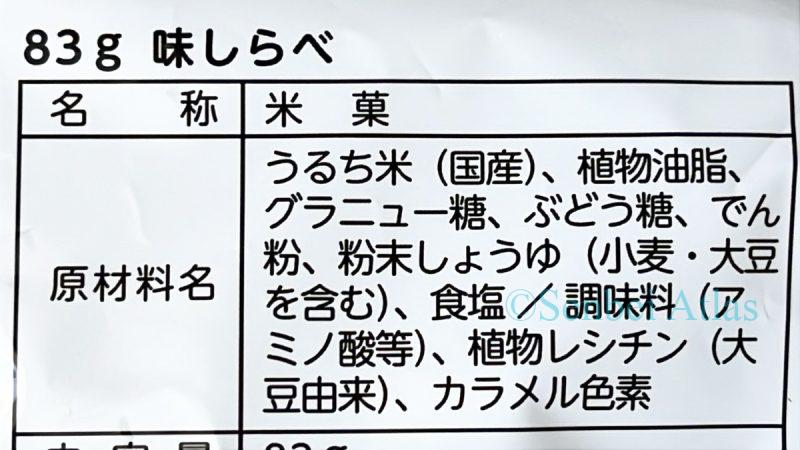
For the saltiness, they use a blend of “powdered soy sauce and salt.” The mellow saltiness of the powdered soy sauce combines with the salt to create a deep, sophisticated salty profile.
The sweetness comes from “granulated sugar and glucose.” Granulated sugar provides a cleaner, more refined sweetness than regular sugar, ensuring the flavor doesn’t feel heavy.
Also, because glucose is easily perceived by our taste buds, the fact that we feel the sweetness the moment it touches the tongue might be due to the influence of the glucose.
Just like Happy Turn, by using two different types of sugar, they create a deep, multi-layered sweetness rather than a simple one.

The umami is generated by “powdered soy sauce and seasonings (amino acids, etc.).”
Powdered soy sauce provides not only saltiness but also a complex umami derived from fermented soybeans. It is particularly rich in glutamic acid.
When this powdered soy sauce is combined with other seasonings, it takes full advantage of the umami synergy, resulting in a profound and savory depth.
Similarly to Happy Turn, it seems that “starch” plays a role in mellowing out the sharpness of the saltiness and sweetness. It’s fascinating to see how starch acts as a secret supporter for both brands ✨
The Difference in Satisfaction
While both are delicious, I find Happy Turn so addictive that I can’t stop eating them. With Ajishirabe, however, I feel satisfied much sooner.
By comparing the ingredients, I realized that the cause of this difference in satisfaction might lie in the types of sugars used.
Glucose vs Sugar
The ingredients inside the red boxes below are the sugars used in Happy Turn and Ajishirabe.
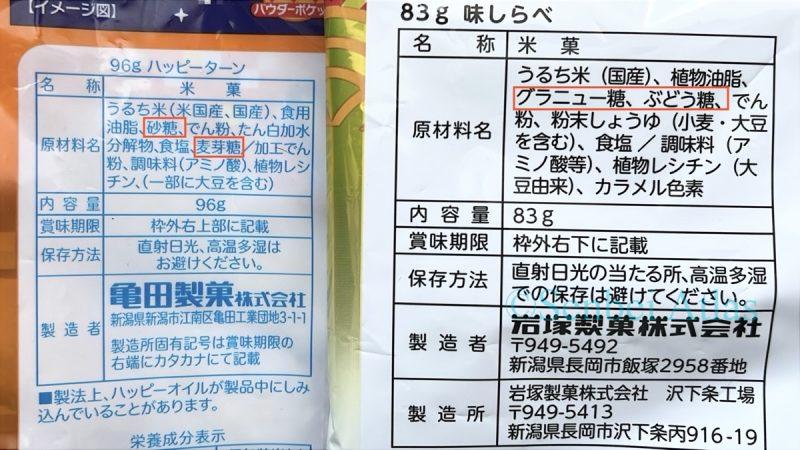
Ajishirabe uses Glucose (ぶどう糖), and I believe this is why it feels so satisfying.
Glucose (monosaccharide) is absorbed into the body much faster than Sugar (disaccharide), which requires breaking down.
Since glucose is the only energy source for the brain, it becomes fuel for the brain immediately after eating and stimulates the satiety center.

This likely explains why the brain sends the “Satisfied!” signal at such an early stage.
On the other hand, Happy Turn, which uses sugar and maltose, takes time to break down, so your hand reaches for the next bite before the satisfaction signal is sent.
Note: Monosaccharides and Disaccharides
・Monosaccharides (like Glucose):
The smallest unit of sugar. Since they don’t need to be broken down, they are quickly absorbed and become nutrition for the brain.
・Disaccharides (like Sugar and Maltose):
Two monosaccharides joined together. They have to be broken down into single sugars by enzymes in the body before being absorbed, so there’s a time lag before they reach the brain as energy.
Why Happy Turn is So Addictive
Beyond the difference in satisfaction caused by the types of sugars, let’s dive deeper into why Happy Turn is so “unstoppable” once you start eating 😋
The Salt Boost
Happy Turn has a distinct, solid saltiness. Salt actually has the property of acting as a “booster” that enhances the absorption of sugar. This means the sweet-and-salty stimulation constantly accelerates your appetite…

This “double punch” of the “time lag in breaking down” the sugars, as explained earlier, and the “salt boost” might be exactly what creates that “unstoppable addictiveness”! 😋
Psychological Factors?
Happy Turn comes in candy-style wrappers. It appears these wrappers are designed with elements that subconsciously make us “want to open them.”
The Allure of the Candy Wrapper
The twisted ends of the wrapper trigger a desire to “release the twist.”
For example, have you ever seen someone’s shoulder bag strap twisted and felt an irresistible urge to straighten it out? It’s that same kind of sensation.
The Happy Turn candy wrapping releases its twist with a satisfying tug, which is quite enjoyable in itself!
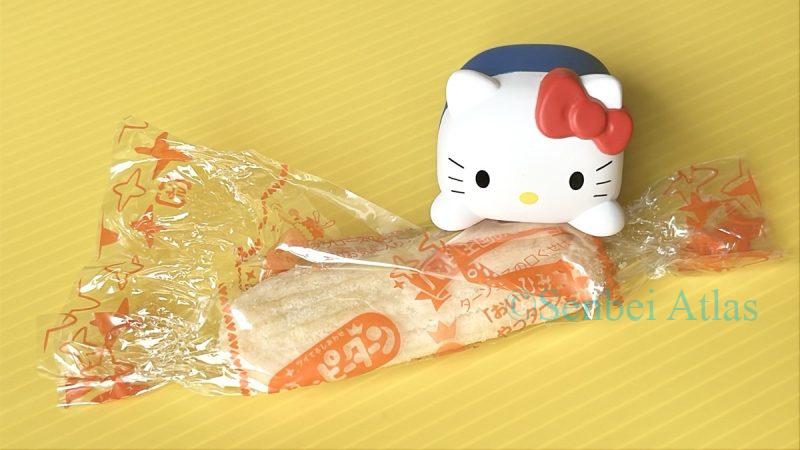
Also, there’s a strange sense of excitement when opening a candy wrapper that you don’t get from standard sealed plastic packaging.
It reminds me of the candies I ate as a child (in my case, Milky), evoking a nostalgic feeling of childhood wonder.

Leading on from that, the shape of the wrapper itself reminds us of candy, causing our brains to subconsciously recognize that “something sweet and delicious is inside,” which further stimulates the appetite.
Furthermore, untwisting a wrapper feels much more “casual” and effortless than tearing open a sealed plastic pack.
In these ways, I feel that Happy Turn’s candy-style packaging appeals directly to our subconscious.
By the way, compared to the packaging of Ajishirabe, there’s a psychological difference that affects how you eat them.
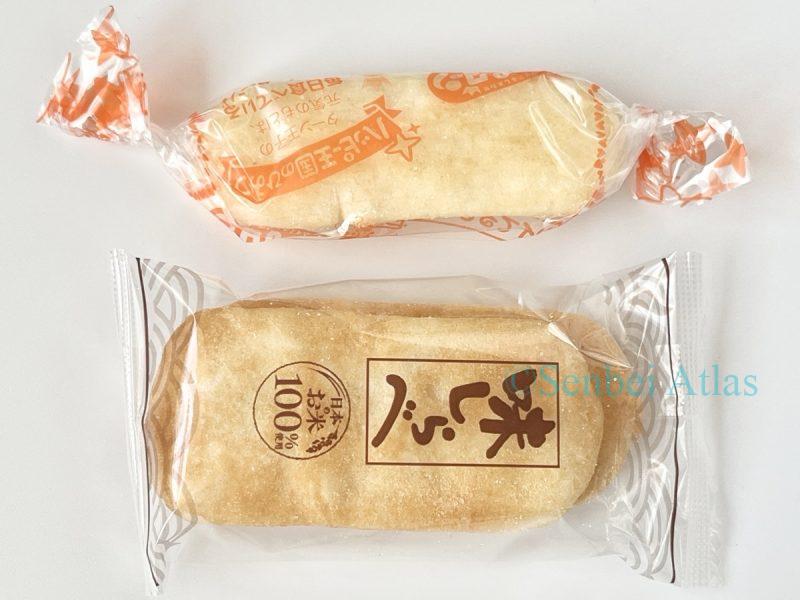
One packet of Ajishirabe contains two crackers, so once you open it, you have to eat both.
This actually acts as a psychological “stopper.”
When you’re considering a third cracker, you have to decide whether to open a whole new pack, which creates a moment of hesitation.
On the other hand, Happy Turn is wrapped individually.
There is no such “stopper.” You can just keep happily untwisting as many wrappers as you want, without any hesitation!
The Subconscious Pressure of “Going Stale”
If you don’t plan on eating the whole bag of Happy Turn from the start, there’s always a lingering subconscious pressure in the back of your mind: “I have to finish these before they lose their crunch.”
It’s as if you’re being subtly nudged to keep eating, thinking, “I should eat them all now while they’re in their best condition.”
Have you ever found yourself eating an entire bag of non-individually wrapped snacks, like potato chips, just because you opened them?

Even if you think for a moment, “I’ve had enough,” you end up finishing the whole thing.
I suspect this is tied to the desire to eat everything while it’s still delicious, combined with that subconscious pressure of “if I leave them, they’ll just go stale and lose their flavor.”

—And so, taking a bird’s-eye view of the psychological factors behind why I personally keep eating Happy Turn, this is what I found.
In fact, when Happy Turn is within reach, even if I don’t feel a strong craving, I find myself opening a wrapper without realizing it—and before I know it, I’ve eaten them all.
I’d love for you to try placing those Happy Turn candy wrappers in front of you and take a bird’s-eye view of how your own mind reacts! 😆
Which One Are You? Here’s My Favorite
That concludes my thorough three-part comparison of Happy Turn and Ajishirabe. Which senbei captured your heart?
If you were to ask me, “Which side are you on?”… well, I tend to buy Ajishirabe more often, so I might be on Team Ajishirabe!
The biggest selling point for me is that Ajishirabe stays crunchy and doesn’t get soft easily.
I also love its gentle sweet-and-salty flavor that pairs perfectly with green tea, and the way it just melts in my mouth 😋
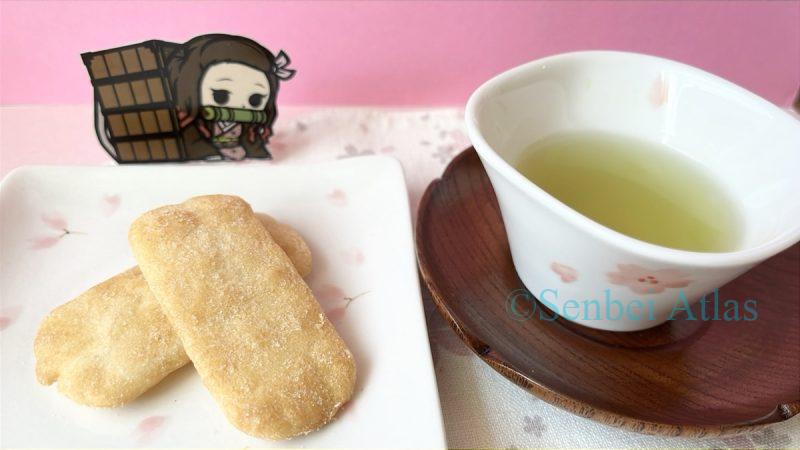
That said, I still reach for Happy Turn when I’m craving that bold, salty kick or when I’m sharing snacks with a group of friends 🙌
If you’re in Japan, please buy both and try them for yourself! You can find both at any supermarket. And don’t forget to grab some green tea while you’re at it!
Check out Vol. 1: Branding Comparison and Vol. 2: Taste Comparison here!



Click here for the individual reviews of Happy Turn and Ajishirabe 😋