In Vol. 1, I decoded the fascinating branding secrets and origins behind these two icons. But now, it’s time for the main event—the actual taste!
In this second part of the series, I’m putting them head-to-head in “The Ultimate Umami Powder Showdown!” to report on the subtle differences in their deliciousness. (I’ll also cover practical details, like how well they stand up to humidity!)
If you eat them separately on different days, you might just think, “They’re kind of similar.”
In this post, I will highlight the distinct differences in taste and texture that only become clear when compared side-by-side ✨
Taste: Edge vs Harmony
First, let’s take a look at the differences in taste.
Just look at them—both are covered in a generous amount of umami powder! ☺️
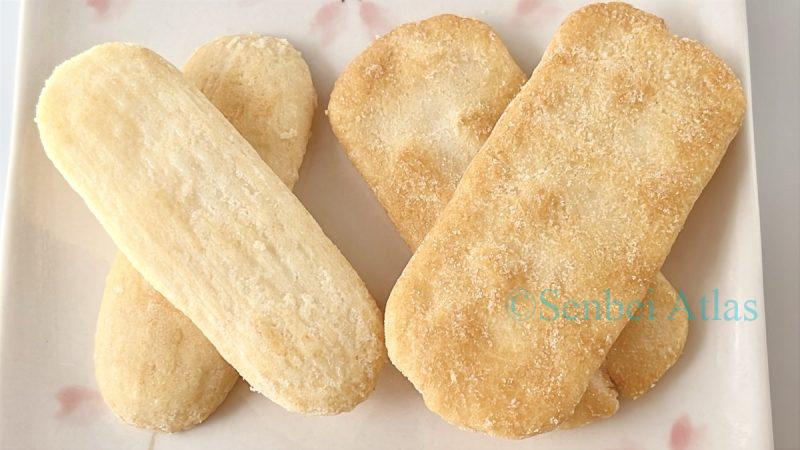
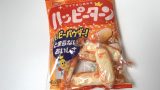
Happy Turn
First, the “Magic Powder” of Happy Turn features a sharp edge of saltiness within its sweetness, creating a punchy sweet-and-salty balance ✨
This distinct saltiness, combined with an exquisite blend of sweetness and umami, creates an addictive flavor that makes you reach for “just one more 😋”
As mentioned above, it’s a well-known fact that Happy Turn is all about that delicious powder. However, when I checked the official website, I discovered that the secret to its taste also lies in how the powder is applied!
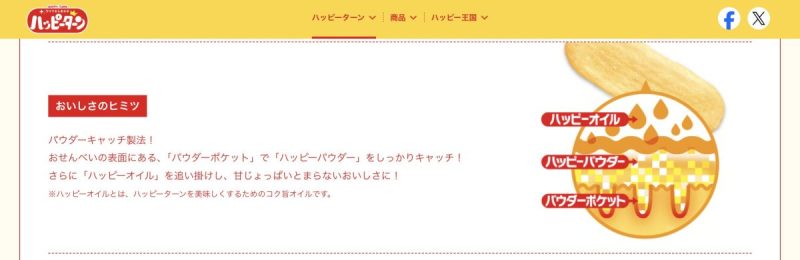
The Powder Catch Method!
The “Powder Pockets” on the surface of the rice cracker firmly catch and hold the “Happy Powder”! Then, it’s finished with a drizzle of “Happy Oil,” creating that addictive sweet-and-salty flavor that you just can’t stop eating ✨*Note: “Happy Oil” is a special, savory oil designed specifically to enhance the rich umami flavor of Happy Turn.
I had no idea they were using tiny indentations on the surface to “catch” the powder, then adding an extra drizzle of oil to boost that rich, savory umami! 😲
Take a look at the photo below. I pressed some cellophane tape onto a Happy Turn to collect the powder.
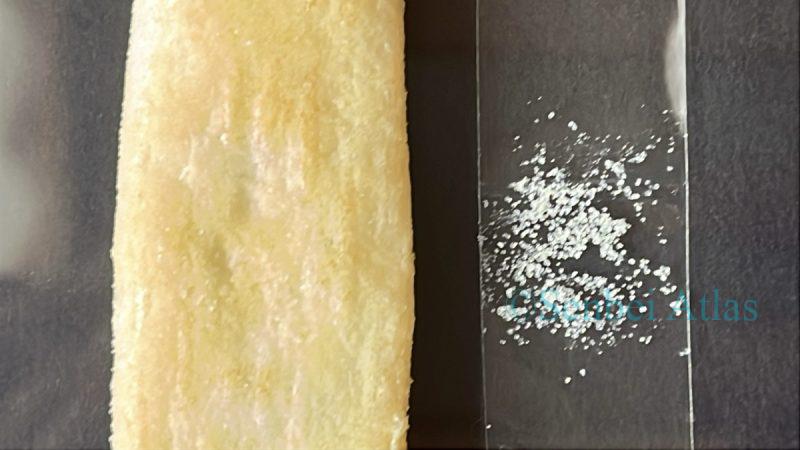
You’ll notice the powder isn’t dry and powdery—it feels slightly moist. Now I know this is because of that “Happy Oil” drizzle!
Happy Turn Taste Summary:
The “Magic Powder” of Happy Turn is characterized by its punchy sweet-and-salty flavor with a sharp edge of saltiness.
Moreover, I discovered that the secret to its deliciousness is hidden even in the way the powder is applied! ✨
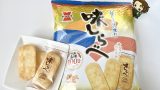
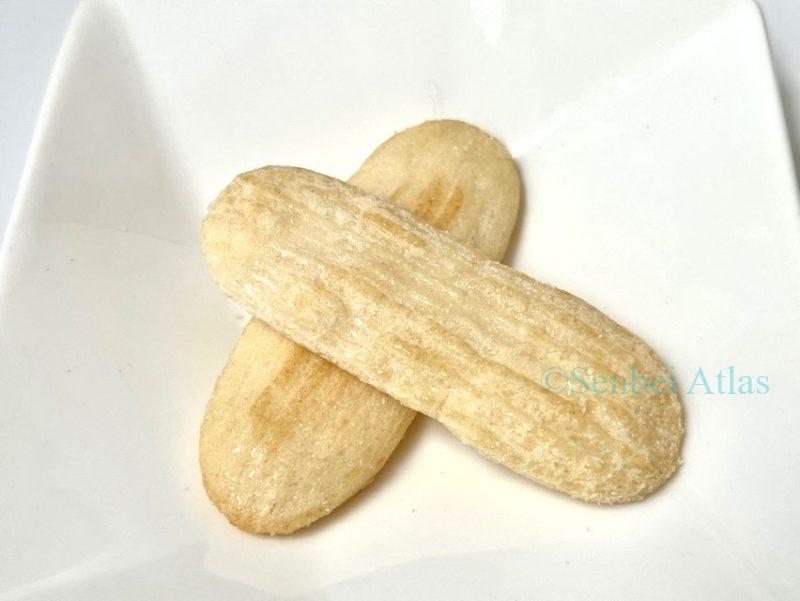
Ajishirabe
In contrast to Happy Turn, “Ajishirabe” offers a gentle flavor without any sharp edges ☺️
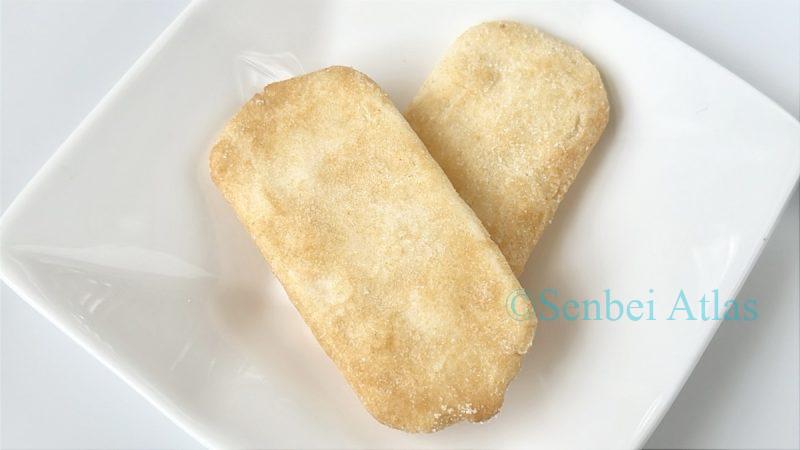
The moment you put it in your mouth, you first notice the sweetness. Within that sweetness, there’s a mellow saltiness and the aroma of soy sauce lying in wait.
I also tried collecting the powder from Ajishirabe with cellophane tape.
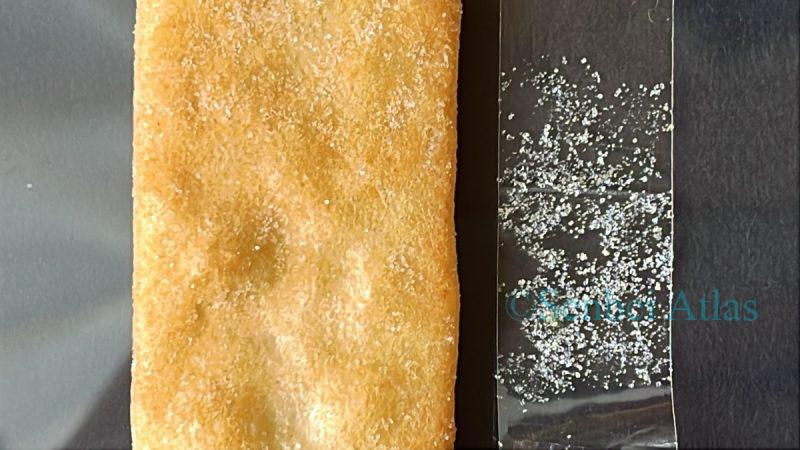
It’s covered in plenty of fine, silky umami powder! The secret behind this powder is the combination of finely granulated sugar and powdered soy sauce.
This powder creates a “gentle sweet-and-salty flavor where the sweetness stands out.” It feels as though the seasoning was designed specifically to enhance the natural sweetness of the rice itself ✨
In fact, I highly recommend enjoying it with a cup of green tea 🍵
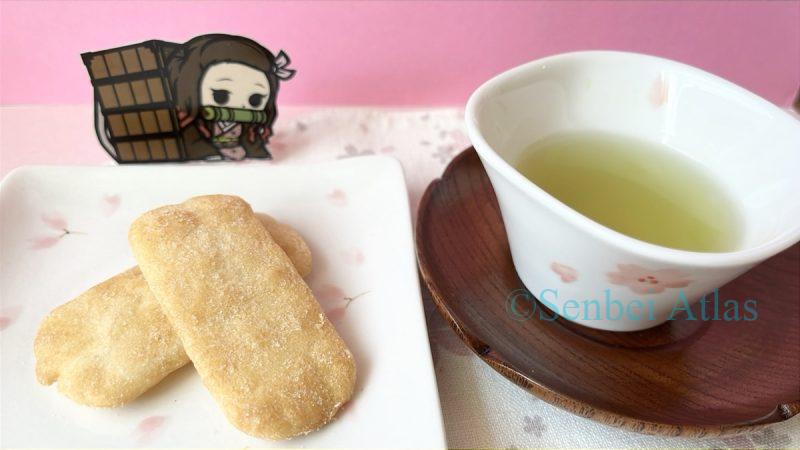
The gentle sweetness of Ajishirabe paired with the slight bitterness of green tea is an absolute match made in heaven! 💕
Ajishirabe Taste Summary:
The umami powder of Ajishirabe offers a gentle flavor, with a mellow saltiness nestled within the sweetness. The seasoning is perfectly crafted to enhance the deliciousness of the main star: “100% Japanese rice” ✨
Texture: Different Styles of Melting
While both have a light and crispy texture, eating them side-by-side reveals a clear difference.
Comparing the two side-by-side, Ajishirabe has an even finer texture and a smoother melt-in-your-mouth quality than Happy Turn.
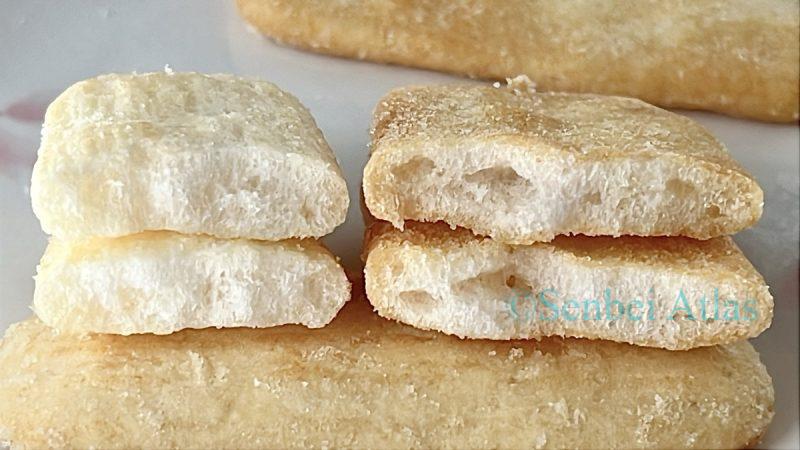
On the other hand, Happy Turn’s “Sakusaku” (crispy) texture—which retains just a hint of “Zakuzaku” (crunchiness)—is also wonderful.
It really just comes down to your personal preference! 👍✨
That’s it for the taste and texture comparison! From here, I’ll dive into some practical information, like how well they stand up to humidity 🕺
Humidity Resistance
When it comes to staying crunchy after opening the main outer package, Ajishirabe takes the win!
Happy Turn uses a “candy-style” twist wrap for each piece, which easily lets air in and makes it prone to getting soft.
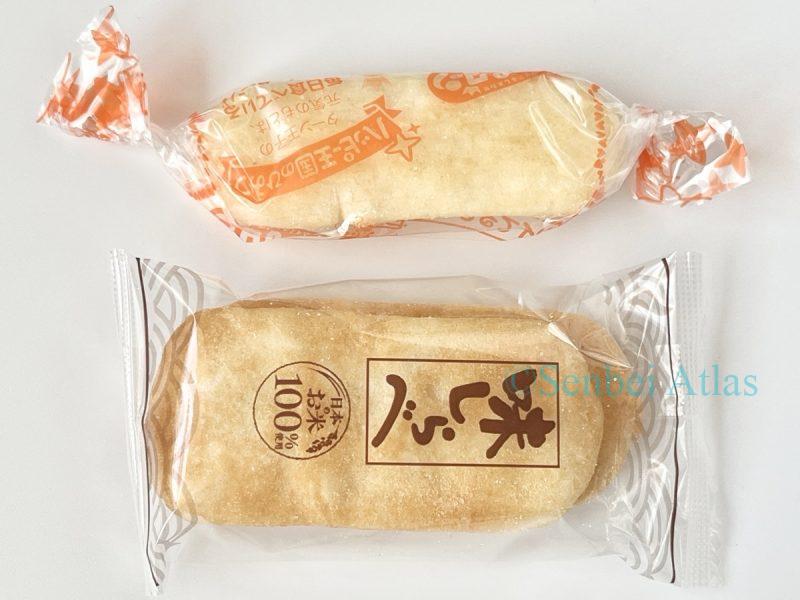
On the other hand, Ajishirabe uses a sealed individual wrap, making it much more resistant to humidity.
If you’re going to finish the whole bag in one day, it’s not an issue. But if you plan to enjoy it over several days, be sure to use a clip on the outer bag to keep it away from the air as much as possible!
Value for Money
To get straight to the point, there isn’t much of a difference in value.
If you look purely at the price per bag, Ajishirabe is often a few dozen yen cheaper than Happy Turn.
However, Happy Turn contains 96g, while Ajishirabe has 83g. Since Happy Turn gives you more volume, the actual price difference is negligible.
So, don’t worry too much about the cost—just grab the one you like! 👍
Which One for a Souvenir?
If you’re looking for a souvenir from Japan, Happy Turn might have the upper hand. Its high name recognition makes it an easy win, and the distinct saltiness makes it as easy to snack on as any regular chips.
However, if you’re gifting to a “Japan expert” who is familiar with Japanese flavors and looking for something more niche, Ajishirabe is the perfect choice 🇯🇵
My top recommendation? Buy both and do a taste test! It’s a great way to start a fun conversation about which one everyone prefers! 😄
—I’ve compared the deliciousness of Happy Turn and Ajishirabe, even going as far as using cellophane tape! What did you think? 😆
In this post, I’ve shared my subjective impressions based on my own taste buds. However, in the upcoming Vol. 3, I’ll be diving into a scientific perspective by comparing the ingredients to unlock the secrets behind their flavor!
Furthermore, I’ll be exploring the psychological reasons why we just can’t stop eating Happy Turn. Stay tuned! ✨
Note: All screenshots of the official websites in this article are current as of March 2026.
Check out the articles below for more details on Happy Turn and Ajishirabe!