This time, I’m introducing Yuki no Yado (雪の宿), a Senbei (Japan’s Savory Umami Rice Snacks) topped with sweet milk cream.
Milk cream on a rice cracker might sound surprising. In fact, even among the many varieties of senbei, this combination is quite rare.
So what exactly kind of snack is it? Let’s take a closer look!
Product Summary
| Cooking Method | Baked |
| Hardness | ★☆☆☆(Level 1: Soft) |
| Flavors | Sweet and Salty |
Product Information
| Product Name | Yuki no Yado (雪の宿) |
| Manufacturer | Sanko Seika (三幸製菓) |
| Quantity | 20 pieces (2 pieces × 10 packs) |
| Price | Reference price: 200–250 yen |
| Where to Buy | Most supermarkets, occasionally drugstores and convenience stores in Japan |
Package & Individual Wraps
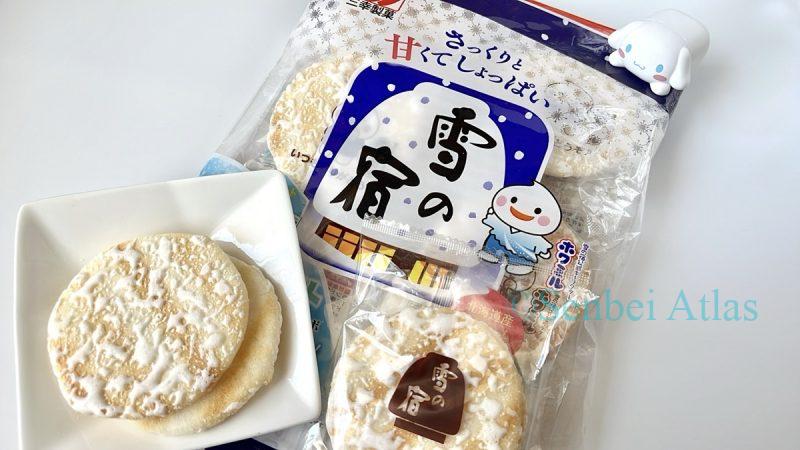
The name Yuki no Yado literally means something like “a snow-covered inn.”
Because of this, the package design features imagery inspired by falling snow and a traditional Japanese house blanketed in snow ❄️
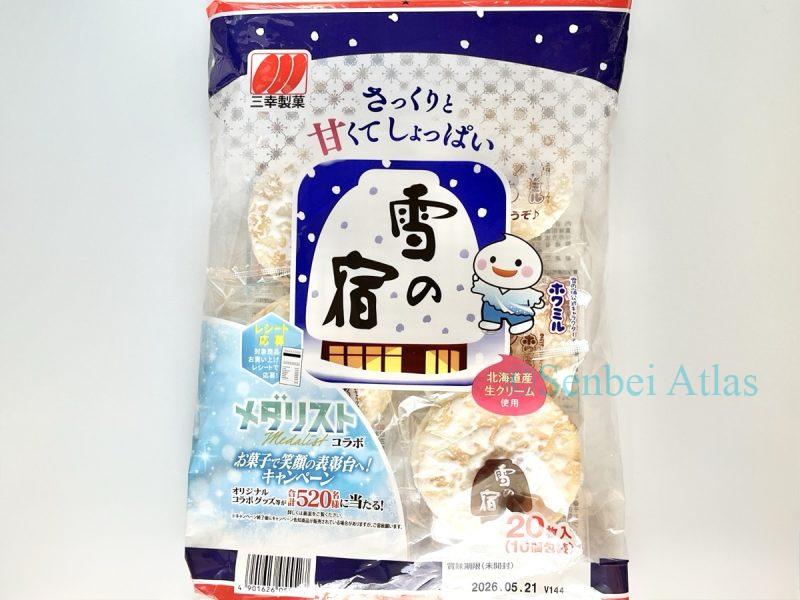
The lower half of the package is transparent, allowing you to see the rice crackers inside.
The most noticeable phrase on the package is “crispy, sweet, and salty.”
There’s also a small pink speech bubble that says “Made with fresh cream from Hokkaido.”
These two phrases seem to be the main points the manufacturer highlights about the product.
Note: The Image of “Hokkaido-Made”
In Japan, people tend to be drawn to the phrase “Made in Hokkaido.”
Hokkaido is famous for its dairy industry and produces many well-known agricultural and dairy products.
Because of this, when Japanese people see “Hokkaido-made,” they often think, “That sounds delicious.”
So when a package says “made with fresh cream from Hokkaido,” many people imagine rich, high-quality cream.
In Japan, the words “Hokkaido-made” have essentially become a kind of food brand.
Each individual wrapper contains two crackers, and the wrappers come in different designs, so you can enjoy a bit of variety.
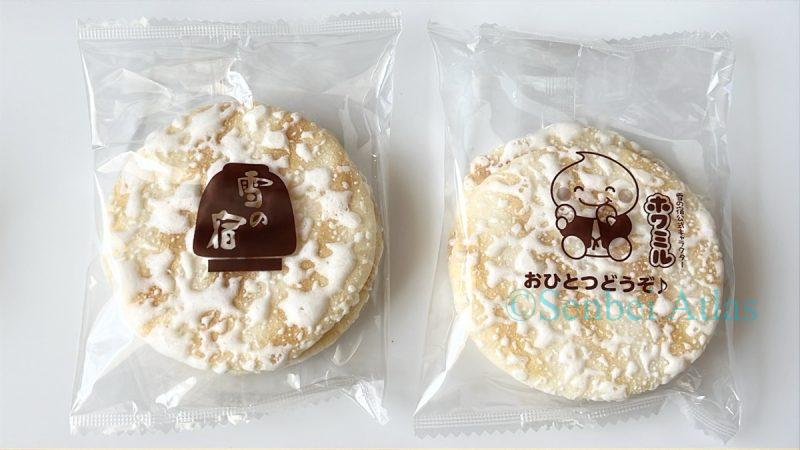
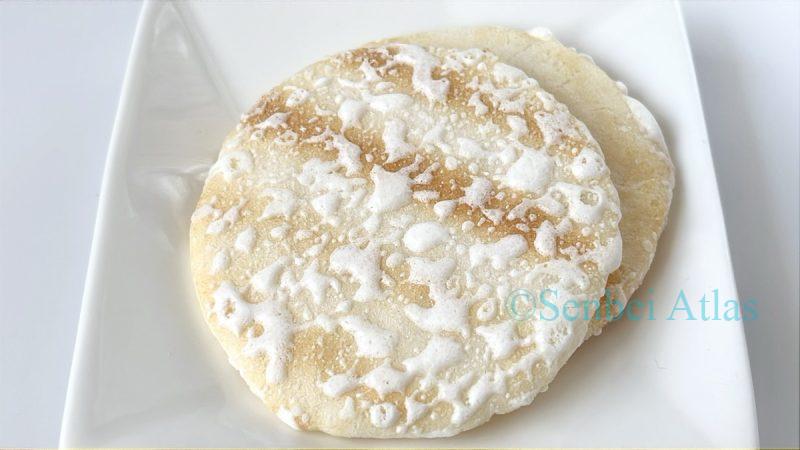
The cream pattern on the senbei looks like falling snow — fitting for a product called Yuki no Yado ⛄️
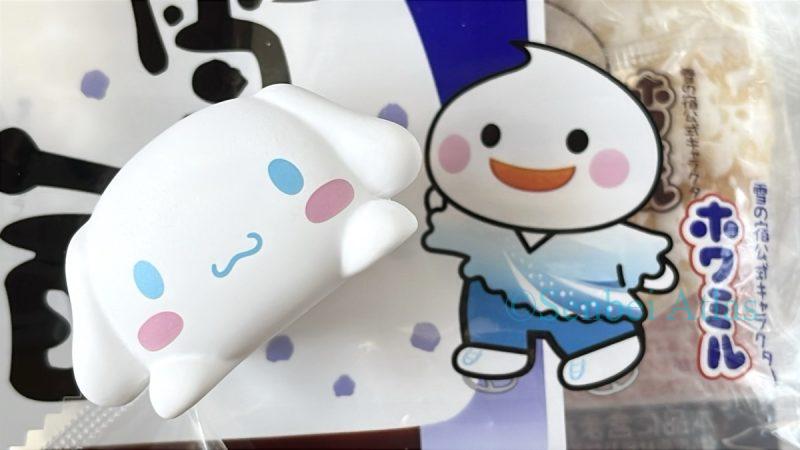
By the way, the character on the package on the right is Whamil (ホワミル), the official mascot of Yuki no Yado. It’s a small detail, but it adds a fun touch to the packaging ☺️
Ingredients & Other Information
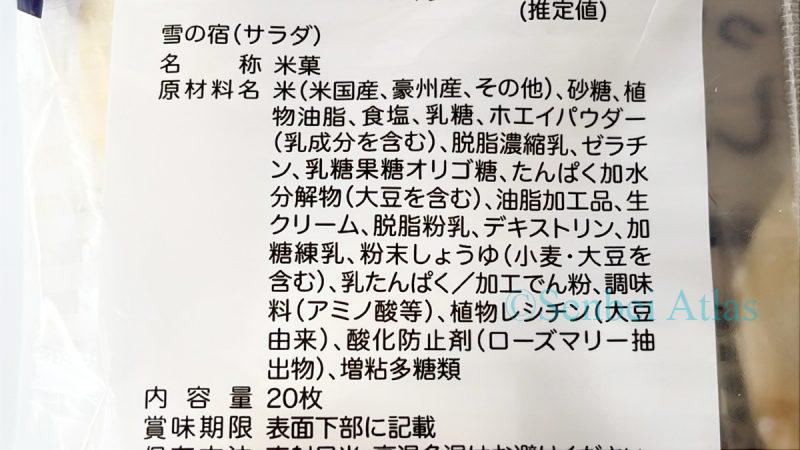
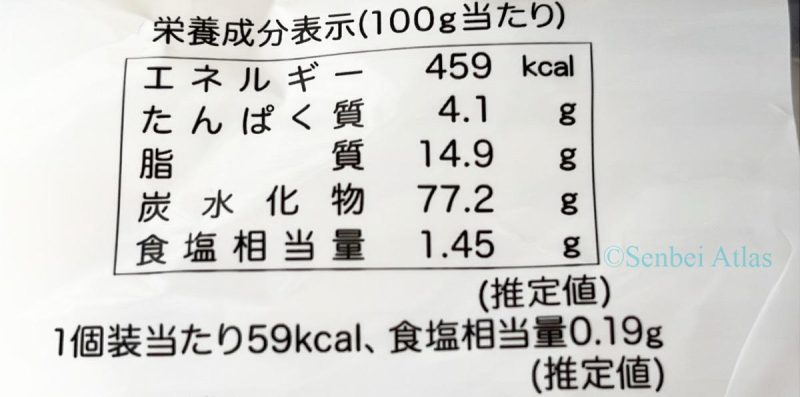
You can check the ingredients, allergen information, and other details on the back of the package.
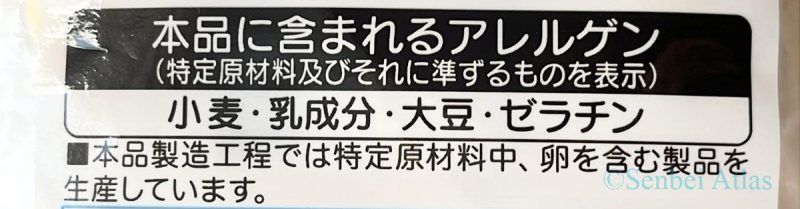
| Main Ingredients | Rice, sugar, vegetable oil, salt, lactose, whey powder, etc. |
| Allergy Information | wheat, milk, soybeans, gelatin |
Flavor & Texture
The senbei itself is lightly salted and topped with a sweet milk cream. The cream isn’t soft or gooey — it’s hardened and blends right into the cracker’s crisp texture.
The milk aroma isn’t very strong — it’s more of a gentle, subtle milk note. It doesn’t feel like it’s trying to emphasize a “milky” flavor.
Instead, the cream seems to add a mellow richness typical of dairy, while also softening the sweetness of the sugar ☺️
But the uniqueness of Yuki no Yado isn’t just the milk cream.
The cream is only on one side of the cracker, and this actually changes how it tastes depending on which side you eat first!
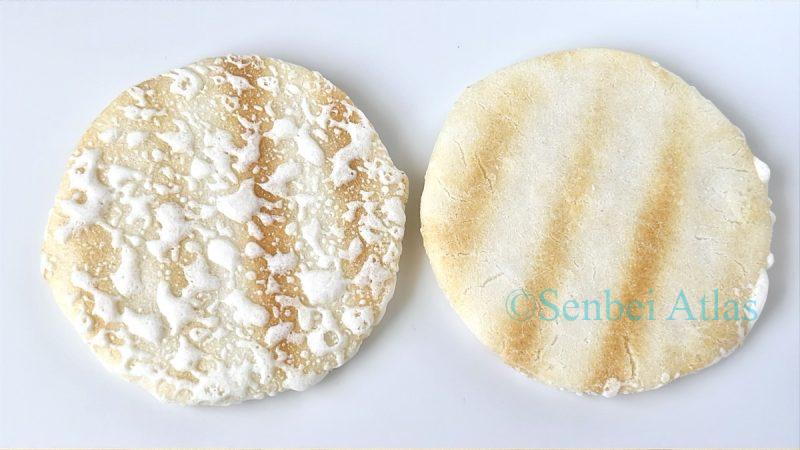
If you eat it with the milk-cream side facing down, the cream touches your tongue first.
This makes the sweetness stand out more, and the saltiness comes later while you’re chewing, giving the overall flavor a milder impression.
But if you flip it over and eat the plain salted side first, you taste the salt right away, followed by the sweetness of the milk cream afterward.
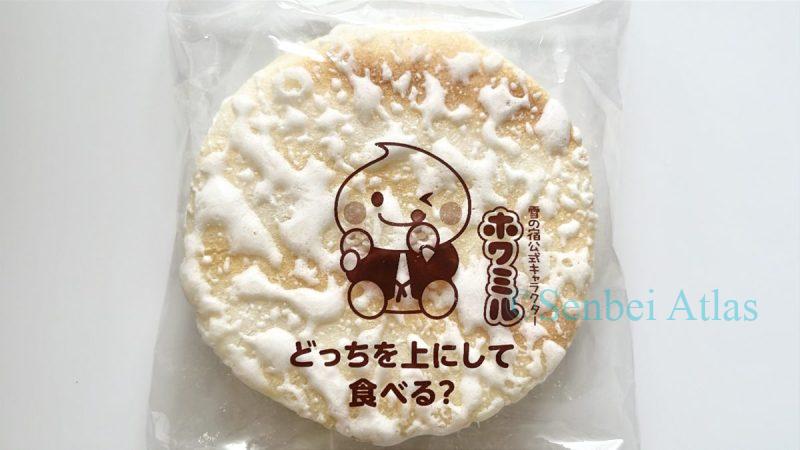
So it’s really up to you: sweetness first, or saltiness first.
With just one cracker, you can enjoy two slightly different flavor experiences. It feels almost like a reversible piece of clothing — the same item, but two ways to enjoy it 😆
Here is the cross section.
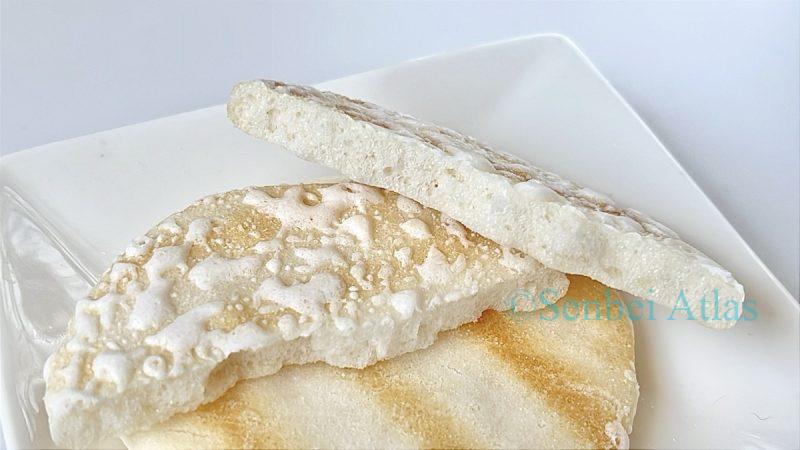
As the cross section reveals, the texture is extremely light and finely structured. It starts with a satisfying crunch before melting away ☺️
Size
Each cracker is about 7 cm wide.
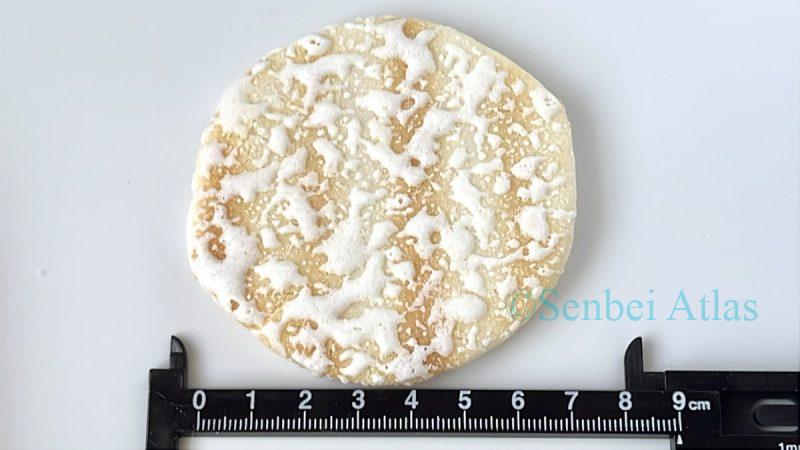
It’s not exactly bite-sized, but thanks to its light, crispy texture, you can easily eat both crackers in one go 😋
Bonus: Eating Sushi Topping-Side Down?
Have you ever heard that it’s better to eat sushi with the topping facing down? 🍣
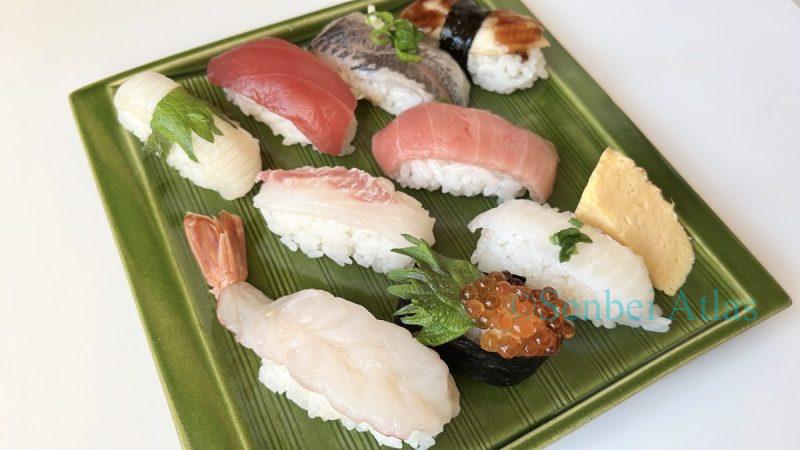
The idea is that the topping touches your tongue first, letting you experience its flavor more directly.
In that sense, it’s actually similar to how you eat Yuki no Yado.
When I eat sushi, I usually turn it topping-side down before eating it.
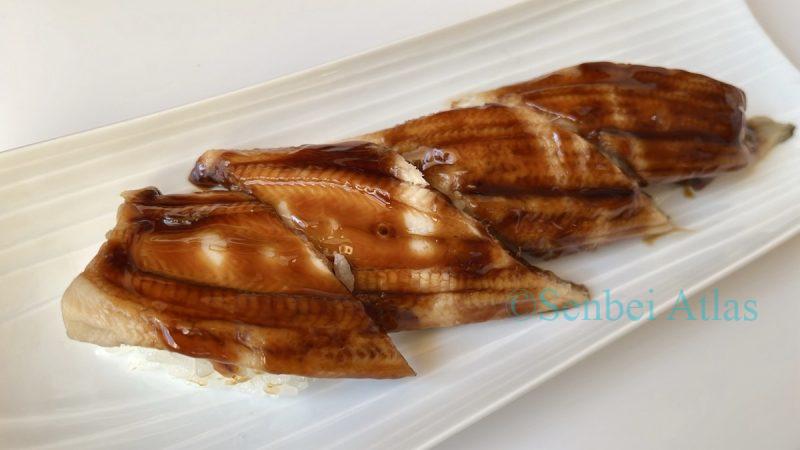
Not just sushi — whenever I really want to enjoy a food’s flavor, I try to place the more flavorful side down so it hits my tongue first.
It’s surprising how much the taste can change just by doing that 😋
So, eating sushi topping-side down is definitely worth trying! That said, eating sushi this way isn’t some strict rule or etiquette.
At the end of the day, it’s all about enjoying it however you like! ✨
What happens if you wrap Yuki no Yado in nori? Sounds weird… but is it actually good? Check out the article below to find out!