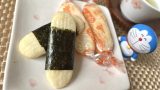
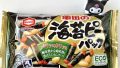
In a previous article, I mentioned “Dr. Slump’s Norimaki Senbei” so I wanted to write an article about Norimaki Senbei (seaweed-wrapped version of japan’s savory umami rice snacks), and went out to buy some, but I was shocked 😧
I visited several supermarkets and drugstores, but I couldn’t find them anywhere!
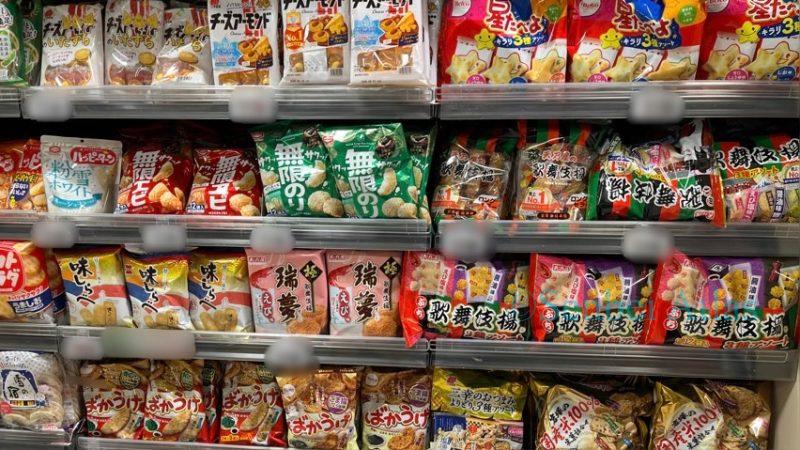
All I could find were Norimaki Arare. Even then, the selection was tiny—maybe only two types per store. (If you’re wondering about the difference between Senbei and Arare, I’ve explained it in a previous article, so be sure to check that out first!)
This is truly surprising because the seaweed-wrapped cracker is the ultimate icon of Japanese senbei. Just look at the emoji: 🍘. That’s a Norimaki Senbei!
If you asked a Japanese person to draw a senbei, most would draw exactly that.
I thought maybe it was just my local stores, so I checked the websites of major rice cracker manufacturers. To my horror, the Norimaki Senbei lineups were almost gone! 😧
Products I used to see all the time have been discontinued…
Why has Norimaki Senbei become an endangered species? I explored the reasons 🤔
Reason 1: The Skyrocketing Price of Seaweed (Nori)
Nori is essential to the Japanese diet—it’s in sushi 🍣, onigiri 🍙, you name it. But in the last two or three years, the price has been soaring.
As of 2026, the price is nearly double what it used to be!!
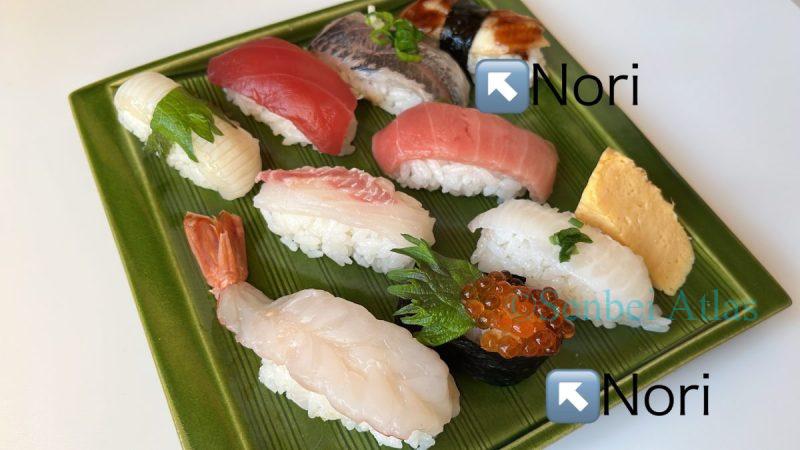
Poor seaweed harvest in Japan
This is largely due to record-breaking poor harvests caused by rising sea temperatures and changes in the marine ecosystem, along with surging raw material and logistics costs 🌊
The Global Competition for Nori
You might think, “Don’t manufacturers use cheaper imported Nori from countries like Korea?” Yes, they often do. However, the situation isn’t that simple.
According to data from the Japanese and South Korean fishery industries, Nori prices have hit record highs globally. This is driven by the massive “Global Sushi & Nori Snack Boom.” 🍣🍘
As demand increases worldwide, countries are now in a “tug-of-war” over high-quality Nori.
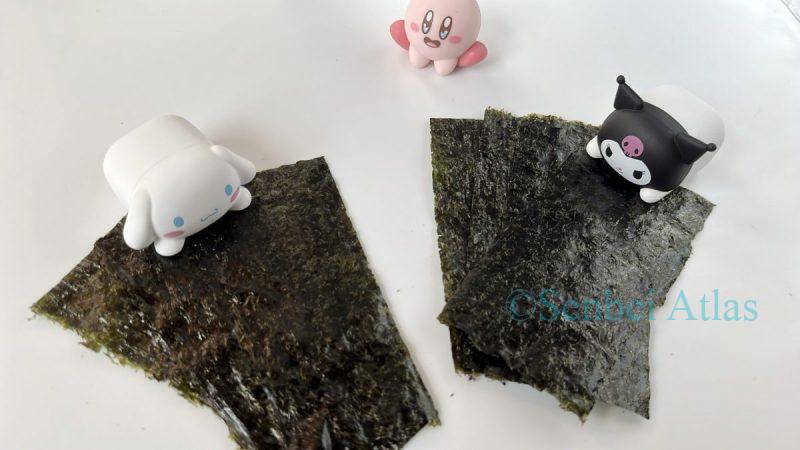
When Japanese production fails, the competition for imported Nori intensifies, driving up global prices for everyone.
—Since Norimaki Senbei uses a generous amount of high-quality nori 🍘, this is likely a major reason for its disappearance.
Reason 2: Price Hikes and Abundant Alternatives
With nori prices rising, Norimaki Senbei naturally becomes more expensive 💰
By the way, it’s not just the seaweed. Over the last few years, the price of Japanese rice—the main ingredient of all senbei—has also increased by about 1.5 to 2.0 times 🍚💦
While almost all food items in Japan are seeing price hikes, this “double punch” of expensive rice and skyrocketing Nori has made the traditional Norimaki Senbei a very difficult product for manufacturers to maintain.
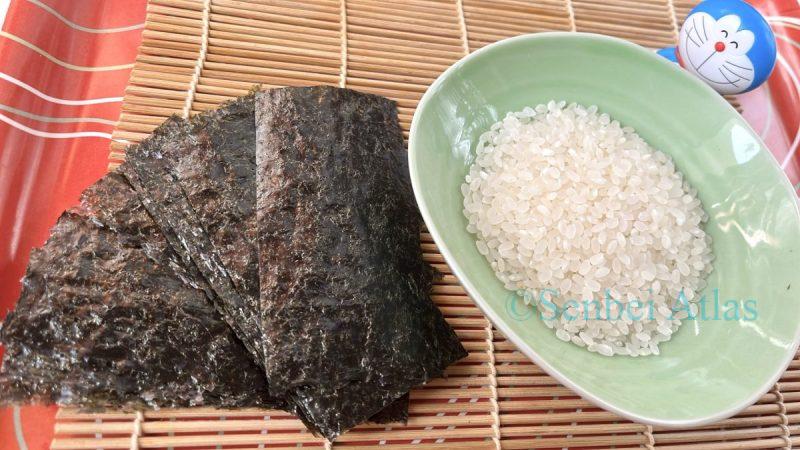
Looking at the supermarket shelves, there are over 30 types of crackers to choose from. When faced with so many options, fewer people choose the slightly pricier Norimaki version 🍘
As a result, major manufacturers stop producing them, pushing the species further toward extinction.
(While smaller manufacturers and specialty shops in department stores still sell them, the variety is still quite limited.)
—To be honest, I wasn’t a “hardcore” fan of Norimaki Senbei myself, so I never actively looked for them.
It wasn’t until I started researching them to write a Norimaki Senbei’s review that I realized they’d disappeared 💦
I took their existence for granted, only to realize they were gone before I knew it…
—It’s a strange feeling of loss, isn’t it?
Like when you realize a shop you visited as a child has quietly vanished without you noticing 😢
I can almost hear the Norimaki Senbei saying, “You never even cared about me until now!” Yeah… I’m sorry, Norimaki Senbei. I was selfish.
—But the story doesn’t end here.
“If there is no Norimaki Senbei left in the world, why not just make it myself?” 👸🍰
Check out “The Norimaki Senbei Revenge: DIY Edition!” As a National Cooking License holder, I took matters into my own hands 🕺✨ Which cracker became the ultimate partner for my seaweed? Find out now!