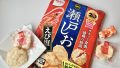
Most of the senbei featured on this site come individually wrapped.
You’ll usually find them packed one or two pieces at a time, or in small portions inside mini bags.
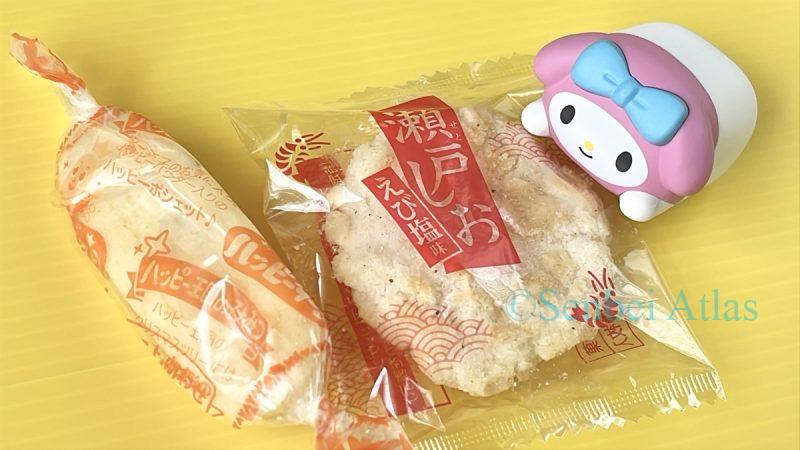
For Japanese people, this kind of packaging feels completely normal.
But from an outside perspective, it might seem a bit unusual.
So this time, let’s take a look at why Japanese senbei are individually wrapped!
Keeping Moisture Out
Like most snacks, senbei don’t do well with moisture.
And Japan’s climate doesn’t exactly help — summers are hot and humid, with humidity often going over 60% from June through September.
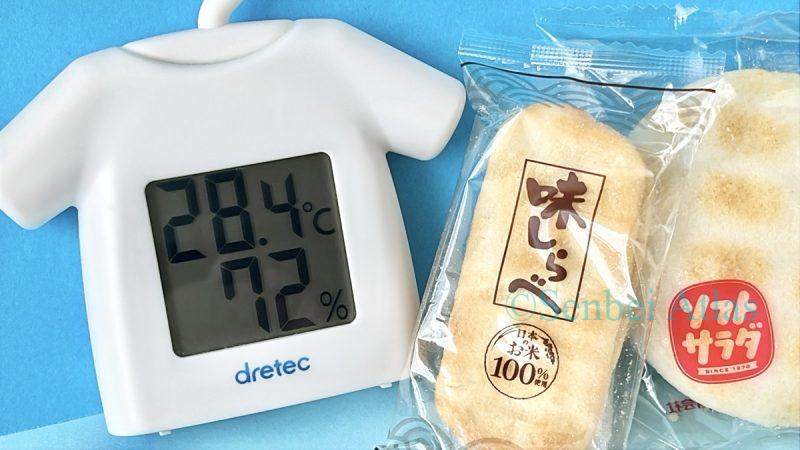
Individually wrapping them makes a lot of sense, since it helps keep them crisp even in that kind of weather.
More Satisfying, Bite by Bite
Snacks like potato chips are thin and light, so they can be eaten without much chewing.
Because of that, it takes a while to actually feel full — and before you know it, the whole bag is gone.
Senbei, on the other hand, need a bit more chewing, even the lighter ones.
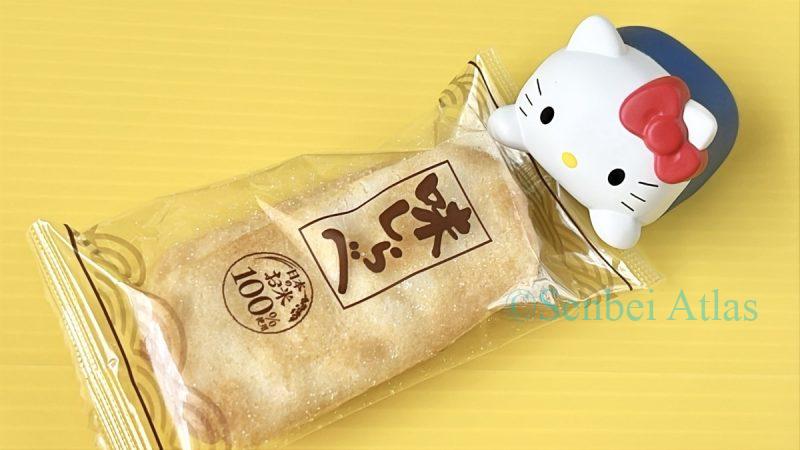
That small difference makes them feel more filling after just a few pieces.
When they’re individually wrapped, it’s easier to stop there and save the rest for later — which honestly makes a lot of sense.
Smaller Portions Fit Better
Compared to Western countries, Japanese people tend to eat smaller portions.
Part of that comes down to body size, but health-conscious habits play a role too.
Because of that, individually wrapped snacks just feel like the right fit — they make it easier to eat a little at a time without overdoing it.
One thing that stands out when traveling abroad is the portion size.
Meals in Western countries are often much larger than what we’re used to in Japan, and it can be surprising.
In that context, individually wrapped senbei match well with the way Japanese people tend to eat.
Easy to Carry, Easy to Share — and More Hygienic
Not just with senbei, but with snacks in general, individually wrapped packaging makes things easier when carrying them around or sharing with others.
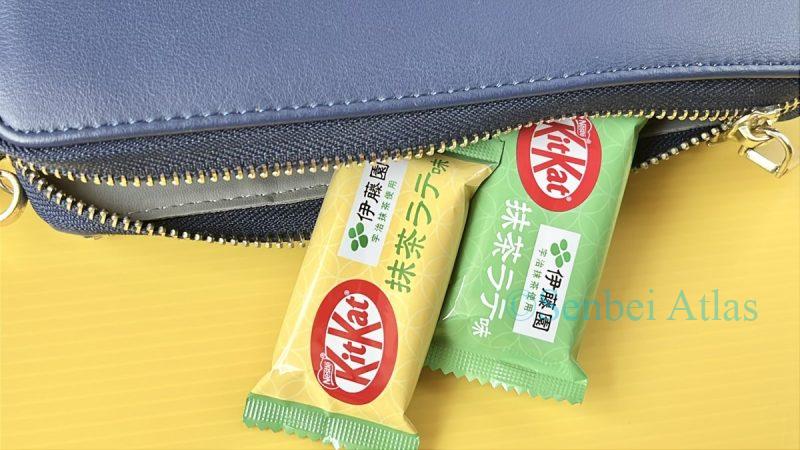
They can be tossed into a bag without worrying about crumbs or mess, and when sharing, they can be handed out directly or left on a desk while someone is away, without much concern about hygiene.
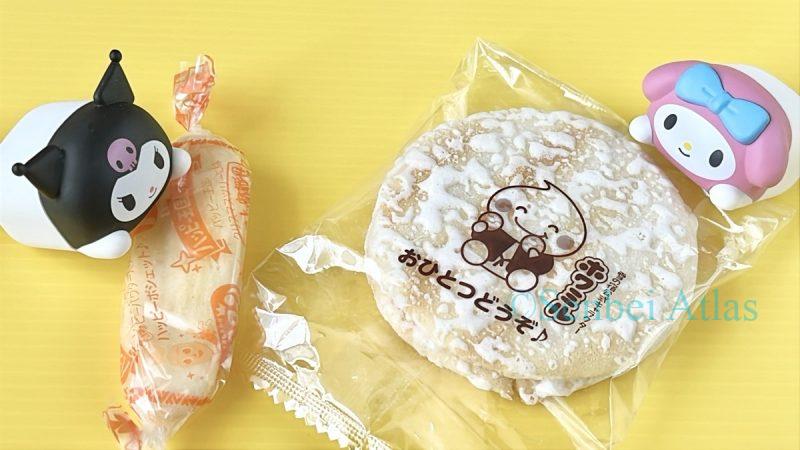
Another small plus is that each person can eat it whenever they like, which is often seen as a thoughtful touch in Japan.
Because of that, individually wrapped snacks are by far the most common choice for souvenirs meant to be shared with a group.
In that sense, individually wrapped senbei fit naturally into this kind of culture in Japan.
Individually Wrapped Snacks Reflect Japanese Culture
To begin with, it’s not just senbei — many kinds of snacks in Japan come individually wrapped. Chocolate, cookies, candy — it’s everywhere.
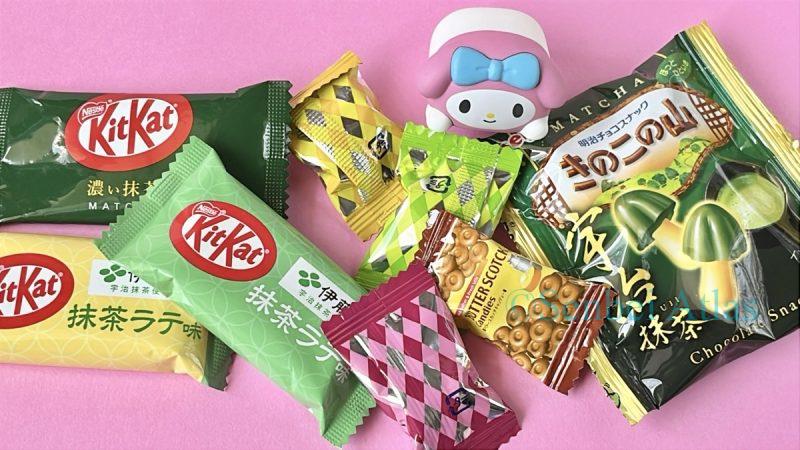
This kind of packaging is so common that it almost feels like the default.
And it’s not just about keeping snacks fresh or making them taste better.
It’s also a reflection of how these small considerations — storage, sharing, and thoughtfulness — are built into everyday life in Japan 🇯🇵
There’s another interesting side to individually wrapped snacks in Japan — senbei especially often feature different designs or little messages.
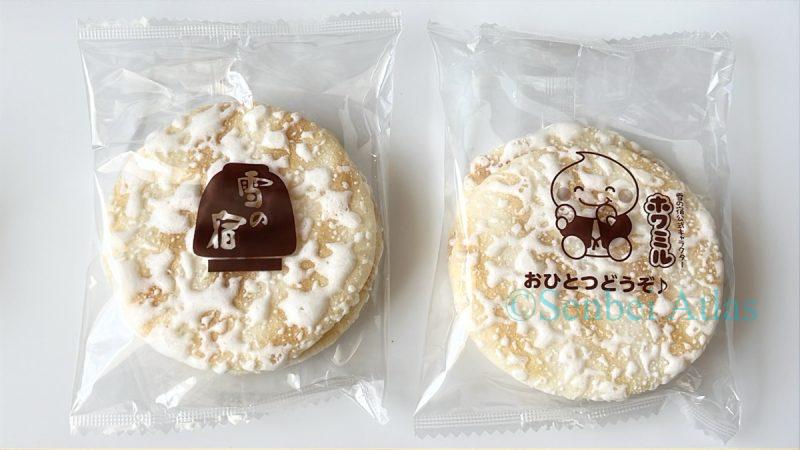
I’ll get into that in the next post!
If you’re interested in unique aspects of Japanese culture, you’ll love this article too!