Today, March 14th, is “White Day” in Japan.
Since I previously introduced Japan’s unique Valentine’s Day culture, it’s only natural to cover White Day too!
From its origins and popular gifts to the typical budget and the symbolism behind its colors, this post dives into the real-talk side of this tradition 😆
What is White Day?
A Culture Born in Japan 🇯🇵
White Day is the day when men who received chocolates on Valentine’s Day (February 14th) give gifts in return on March 14th.
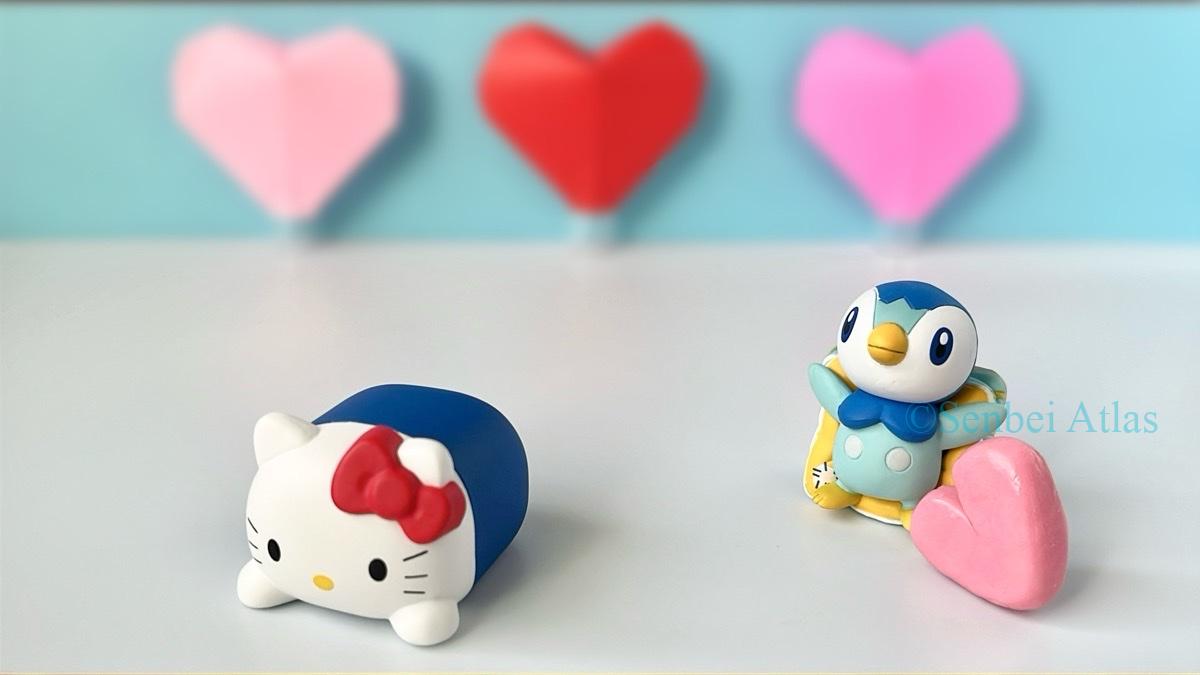
While this tradition has spread to some other Asian countries, it’s a unique custom that you won’t find in Western cultures, right?
Origins
The origin of White Day can be traced back to a confectionery maker called Ishimura Manseido (石村萬盛堂).
The following is a summary of information from their official website.
In 1978, Ishimura Manseido created “Marshmallow Day” as a day for men to give marshmallows to women in return for Valentine’s.
The concept was, “I will return the chocolate I received from you by wrapping it in my kindness (marshmallow).”
The date was decided on March 14th after receiving a suggestion from a department store that “March 14th, a period when the store is not busy, would be good.”
Later, “Marshmallow Day” changed its name to “White Day,” which evokes the white of marshmallows. Department stores and others spread the word, and White Day became established.
Note: Ishimura Manseido
A long-established confectionery maker in Fukuoka Prefecture, founded in 1905.
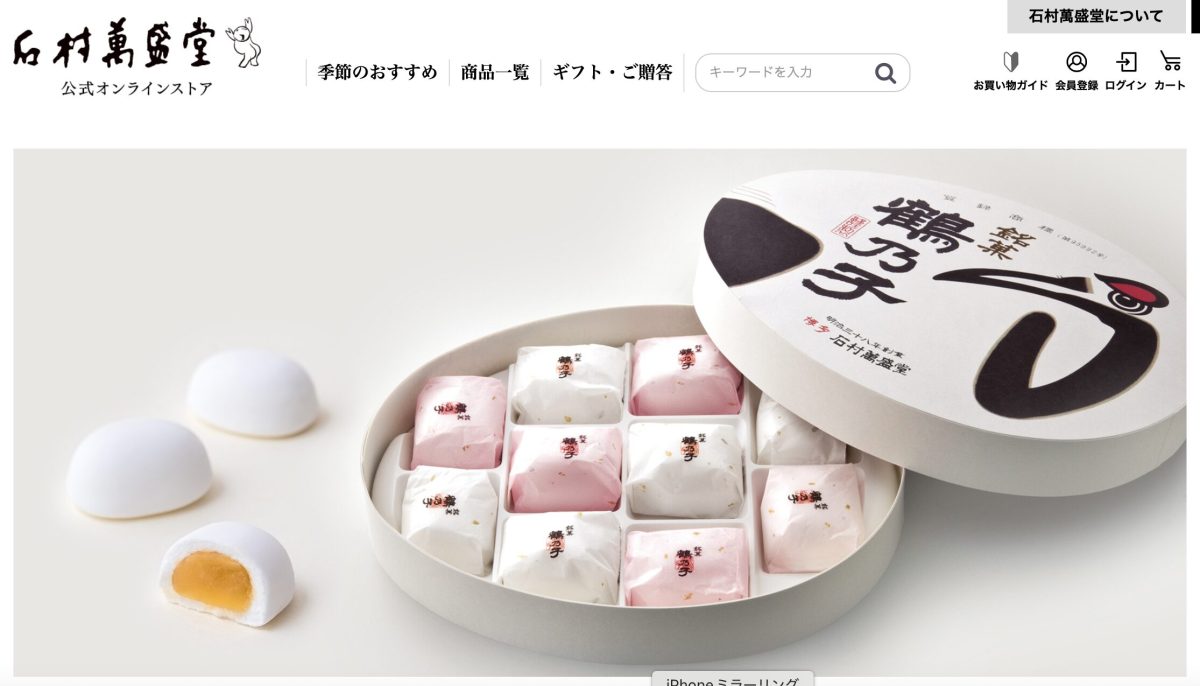
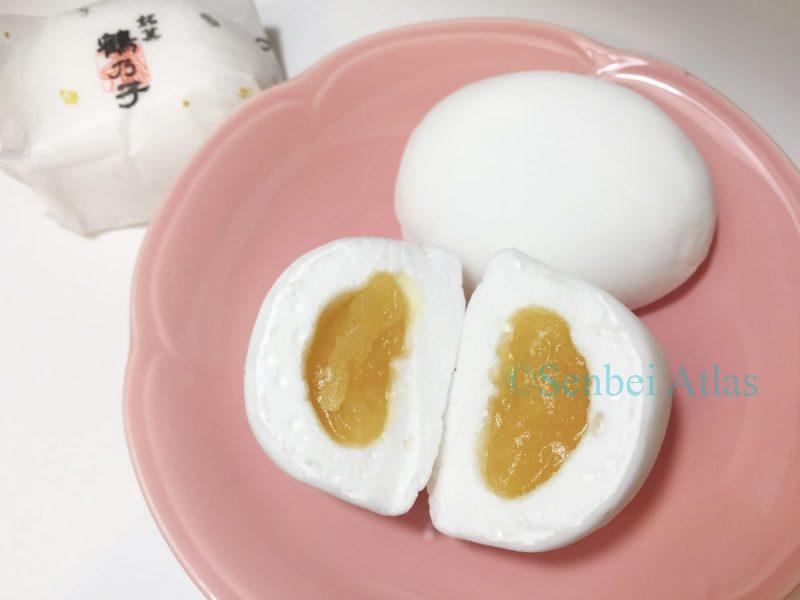
Their flagship product, “Tsuru-no-ko (鶴の子)”—a marshmallow filled with yellow egg yolk bean paste—is a famous sweet known nationwide, and I personally love these marshmallows! 😋
Lower Hype, But Firmly Established
Compared to Valentine’s Day, the “festival feeling” of White Day is lower.
On Valentine’s Day, many department stores hold special chocolate events, and even local shops like supermarkets carry a huge variety of products.
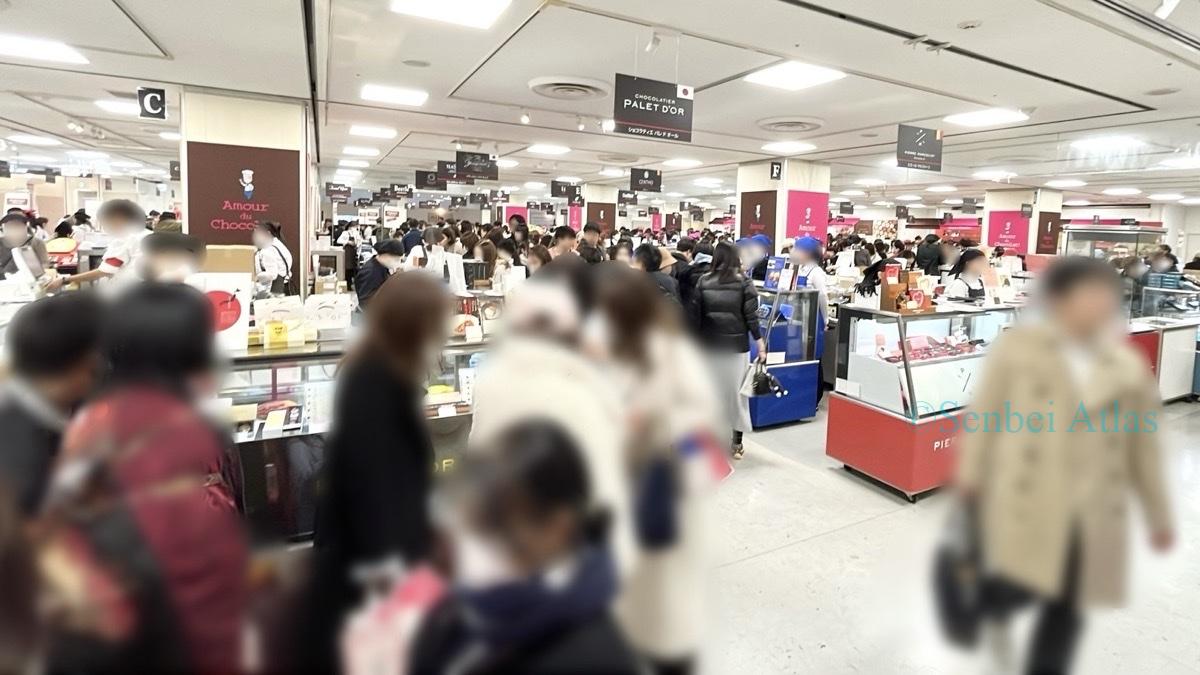
The excitement and business opportunities are high, and the atmosphere is filled with people’s enthusiasm.
On the other hand, White Day has fewer of these special events in department stores (and even if they exist, the scale is smaller), and people’s excitement is more subdued.
While it is quieter as an event compared to Valentine’s Day, White Day culture is definitely firmly established.
*If you are interested in chocolate events at department stores, check out this article!
No Segmented Naming for White Day
As explained in a previous post, Valentine’s Day has specific names for gifts depending on the recipient, such as “Honmei Choco” or “Jibun Choco.”
However, no such naming exists for White Day.
What to Give on White Day
While chocolate is the main gift on Valentine’s Day, what is mainly given on White Day?
Sweets
Cookies, chocolates, macarons, marshmallows (which were the origin of White Day), and even candy—pretty much anything goes 😆
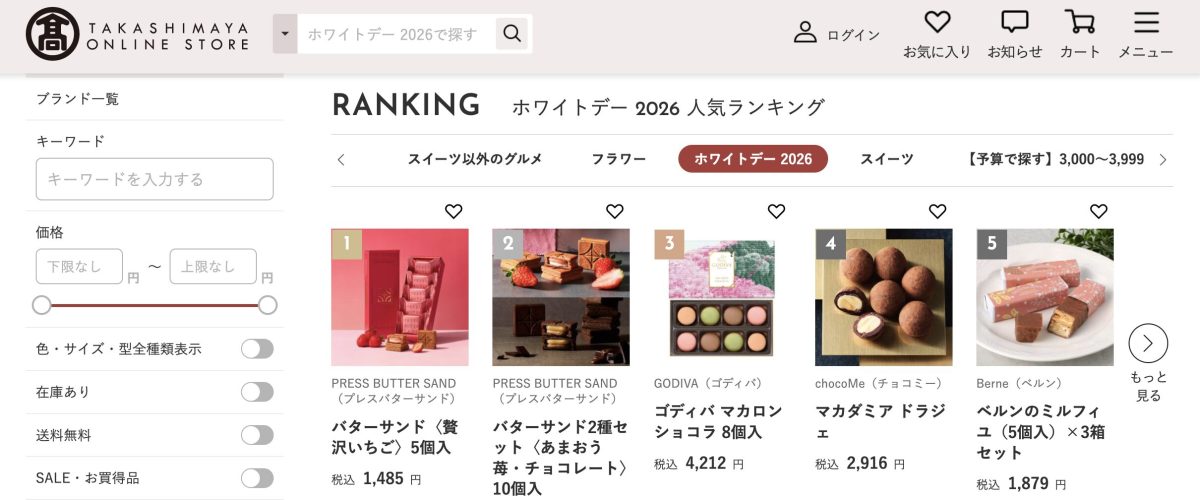
Let’s take a look at the rankings on department store online shops to see what sweets are popular for White Day this year, 2026.
Takashimaya: In the top 3, 1st and 2nd place are chocolate-sandwiched cookies, and 3rd place is macarons.
Isetan: In the top 3, 1st place is macarons, while 2nd and 3rd are chocolates (top 3 for sweets only).
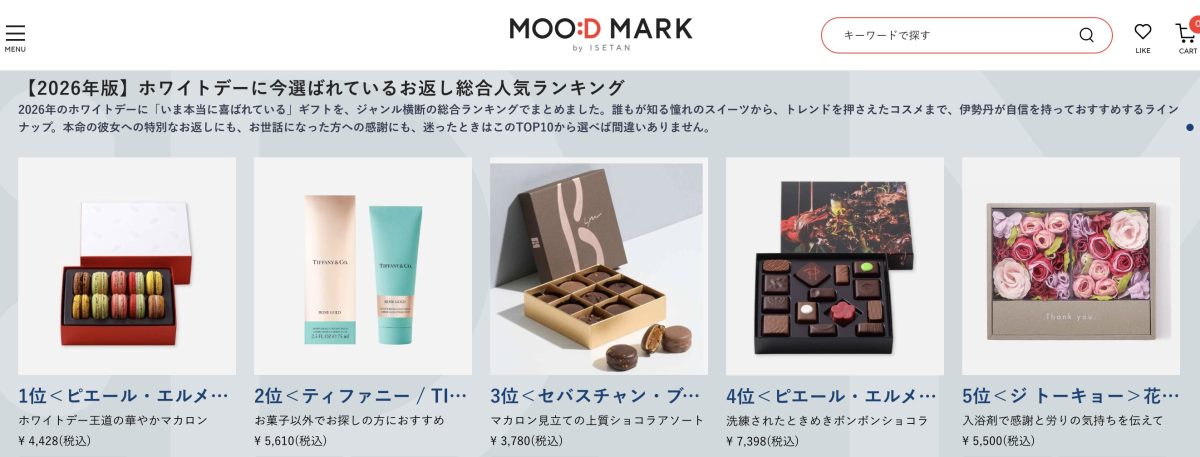
Even looking at rankings from other department stores, Western confectionery such as cookies, chocolates, and macarons consistently ranked at the top.
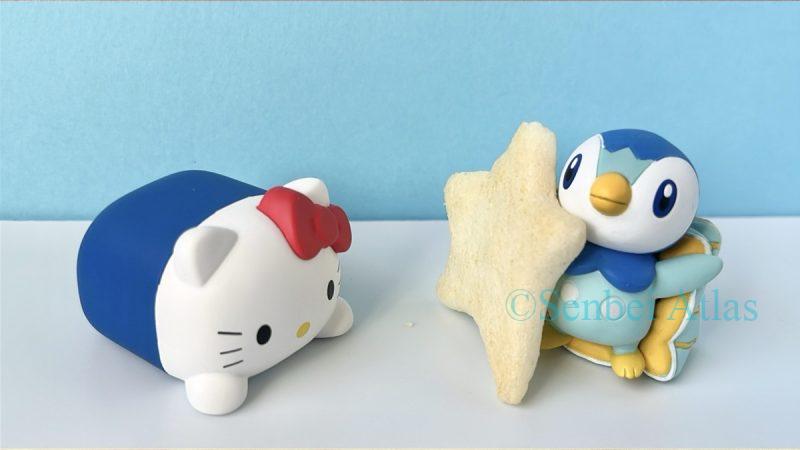
If your recipient doesn’t prefer Western sweets, or if you want to go for something unexpected, Japanese sweets—and of course, Senbei (Japan’s Savory Umami Rice Snacks)—are a great option!
Items Other Than Sweets
When giving a return gift to a “Honmei” (someone you love, such as a partner or spouse), it is common to give items they actually “want,” such as accessories or bags.
For return gifts to those other than a “Honmei” (such as colleagues or friends), small practical items like hand cream, bath salts, or handkerchiefs are popular choices.
The Average Budget for Return Gifts
Let’s take a look at the typical budget and the economic impact of White Day—specifically, how much people usually spend on their return gifts.
Budget Based on the Recipient
For a return gift to a “Honmei” (someone you love, such as a partner or spouse), it is becoming common for the budget to be at least the same amount, or even two to three times the value of the original gift.
The phrase “San-bai-gaeshi” (returning three times the value) has become quite famous in Japan.
For gifts to those other than a “Honmei,” the budget is typically around the same amount or slightly more than what was received.
Economic Impact
Earlier, I mentioned that White Day has a lower “festival feeling” and is calmer than Valentine’s Day.
However, from an economic perspective—the actual amount spent—White Day sales might actually be equal to or even higher than Valentine’s Day.
Market size statistics for these events usually focus mainly on “food (like chocolate).” Looking only at those figures, Valentine’s Day is overwhelmingly larger.
However, I think a huge part of White Day spending goes toward “items (jewelry and luxury goods),” such as return gifts for a “Honmei.”
If someone asks for a brand-name accessory or bag… it won’t stop at just “three times the value” 😅
I tried searching for statistics on the “total expenditure” for each event (including jewelry, brand goods, dining out, etc.), but couldn’t find any.
If such a survey were conducted, I think White Day would put up a very good fight.
Image Strategy in Colors
Most of the colors used as image colors for Valentine’s Day are red or pink. These are warm colors that evoke feelings of love and passion ❤️
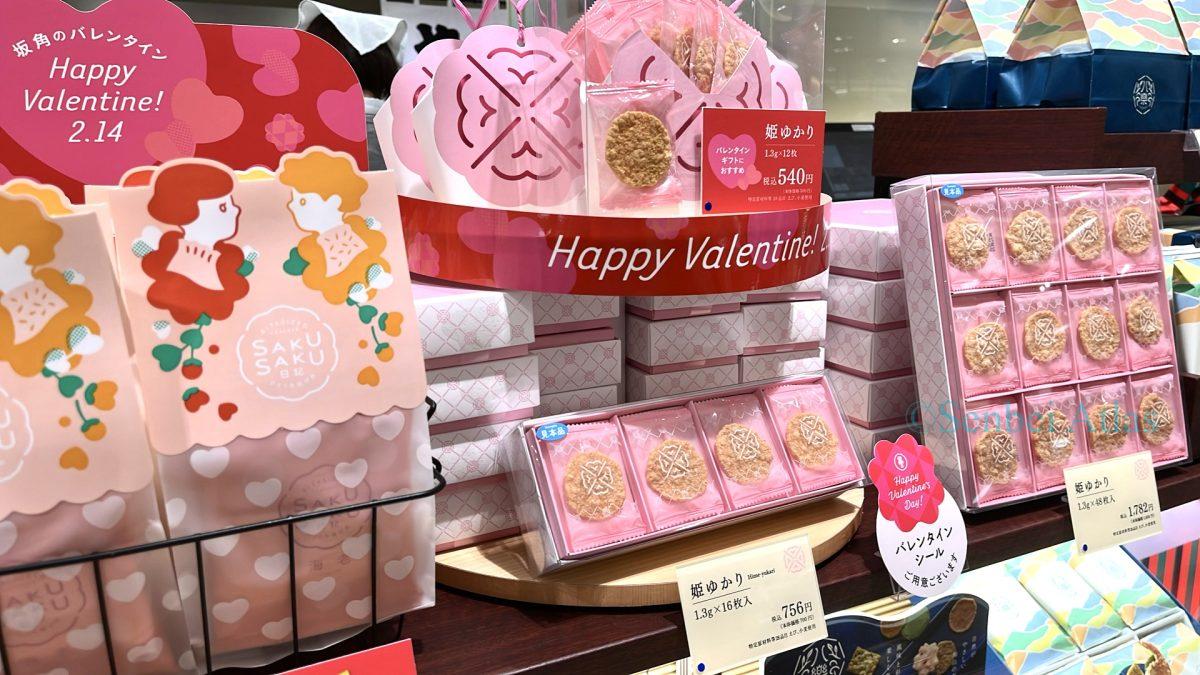
On the other hand, for White Day, light blue and blue are overwhelmingly common. Take a look at these department store White Day pages.
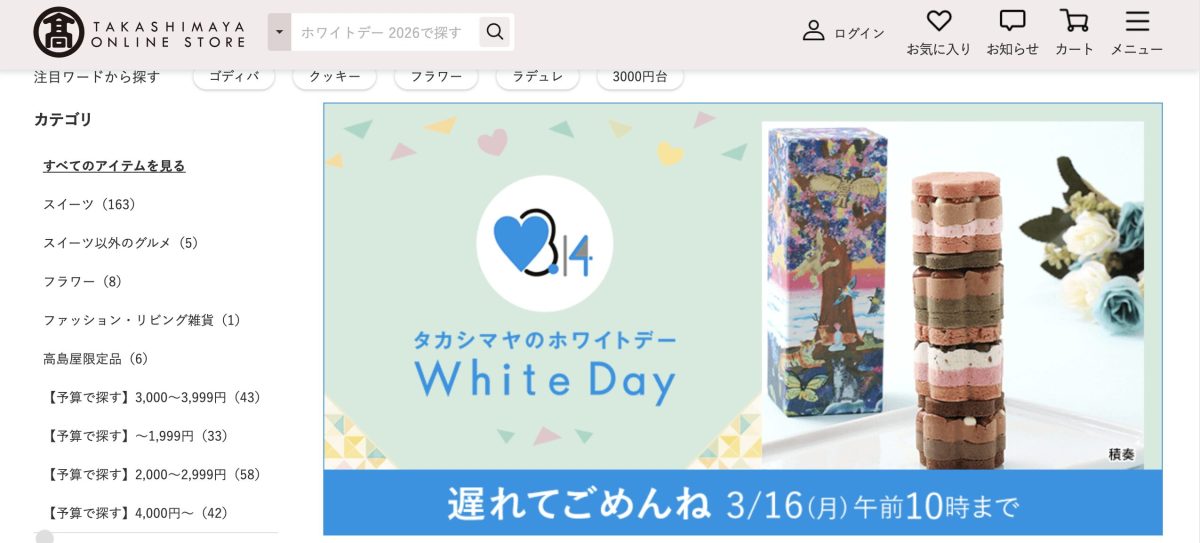
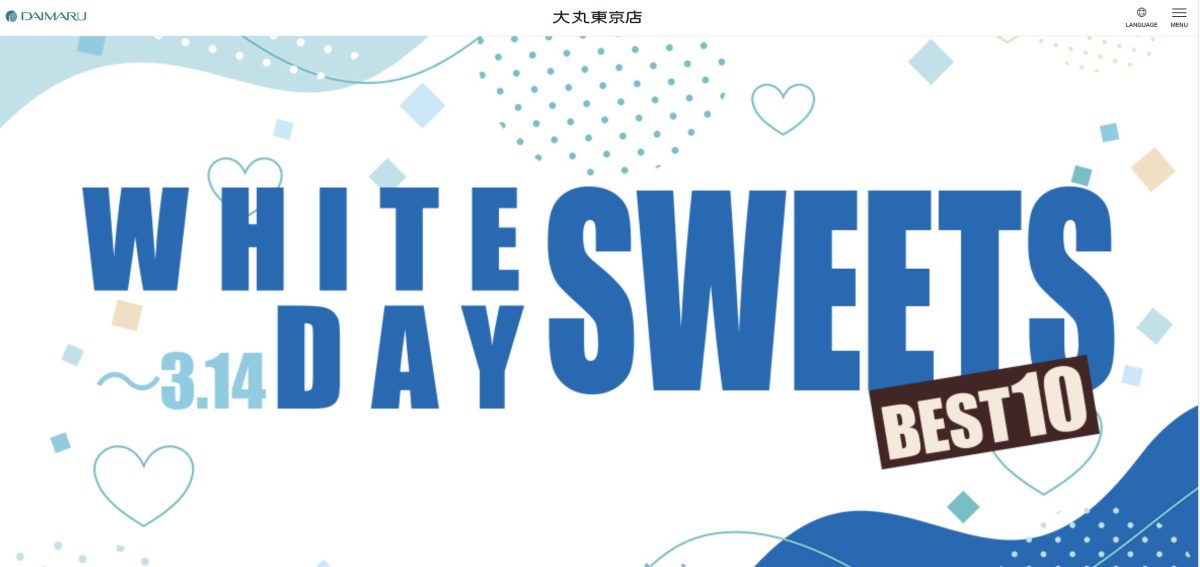
They are filled with light blue and blue, aren’t they?
Cool colors like light blue and blue might be used for White Day because these colors evoke images of “cleanliness, sincerity, and calmness.”
Since White Day is a day for “Okaeshi” (courtesy/returning a gift) for Valentine’s Day, light blue and blue—which evoke sincerity—are a perfect fit for the image.
In particular, light blue has a softer tone than blue, making it the perfect color to create an atmosphere of gentle sincerity and cleanliness.
From a commercial standpoint, this color choice is also significant for retail design.
Using “Red and Pink for Valentine’s” and “Blue and Light Blue for White Day” allows customers to instantly recognize the transition between seasonal events.
By the way, unlike my Valentine’s Day post, this article is filled with very “real-talk” about budgets and logistics.
Perhaps this is due to the psychological effect of White Day’s colors—cool colors are said to make people more composed and rational 😆
“Okaeshi” is a Fundamental Rule of Japanese Culture
I believe White Day is a part of Japan’s “Return Gift Culture” (Henrei Bunka).
In Japan, there is a tradition of giving “Okaeshi” (return gifts) even at weddings or funerals. (For instance, guests may offer monetary gifts, and in return, they receive physical items as a token of gratitude.)
Beyond that, the idea of “giving back when you receive” is deeply rooted in daily life in Japan as a matter of manners and etiquette.
This is likely why a specific day for returning gifts like White Day was born and remains so firmly established today.
So, remembering that “In Japan, Valentine’s Day and White Day are a set” might come in handy if you ever receive Valentine’s chocolate in Japan. It’s definitely a good tip to keep in mind 😄
If you’re interested in unique aspects of Japanese culture, you’ll love this article too!