Valentine’s Day is just around the corner! 💕 In your country, who gives what to whom?
In Japan, it is common for women to give chocolates to men, but in modern Japan, it has become much more “diversified.”
For those living abroad, you might find this unique cultural shift quite fascinating!
Types of Valentine’s Chocolates in Japan
Currently, there are four main types 🇯🇵
Honmei-choco / 本命チョコ (True Feeling Chocolate)
This refers to chocolates given mainly by women to men they are interested in.
This is the traditional Valentine’s culture that has existed for a long time.
It’s not just for couples or spouses; people often give chocolate to express their feelings to someone they aren’t dating yet, making Valentine’s Day a heart-pounding event 🩷
Among students (elementary through high school), a common topic of conversation for boys is “how many chocolates they received on Valentine’s Day.”
This often sparks a heated debate over whether chocolates received from family members, such as their mothers, should be included in the count 😆
Giri-choco / 義理チョコ (Obligation Chocolate)
In Japanese, “Giri” translates to something like “obligation” or “social duty“—there may not be a perfect English equivalent. These are chocolates given mainly in the workplace from women to men as a social courtesy.
While this has been a long-standing tradition, the culture of giving Giri-choco in offices has been fading over the last decade.
This is because it created a “strange spiral” where both sides felt exhausted: givers felt forced by custom rather than genuine desire, and receivers felt burdened by the pressure of “Okaeshi” (returning the favor on White Day, one month later) 😅
Perhaps this reflects a certain aspect of Japanese personality?
In recent years, there has been a healthy shift in Japan toward letting go of traditions that people once accepted against their will or endured.
While this might seem like common sense, for Japanese people, the pressure of “customs” and “doing what everyone else does” is incredibly powerful! 😆
Tomo-choco / 友チョコ (Friendship Chocolate)
This refers to chocolates exchanged among friends.
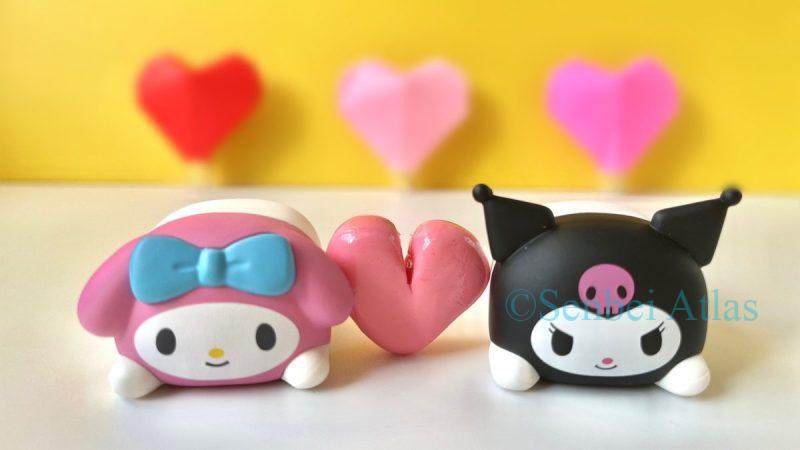
The term “Tomo-choco” emerged and began to spread around the early to mid-2000s.
Jibun-choco / 自分チョコ (Self-Reward Chocolate)
These are high-end chocolates bought for oneself as a personal treat. That’s why it’s also called “Gohoubi-choco / ご褒美チョコ (reward chocolate).”
During the Valentine’s season, many department stores hold special events where chocolates from famous chocolatiers, both domestic and international, gather in one place ✨
Since rare brands not usually available and special Valentine’s-only chocolates are all lined up, women who love chocolate buy them to eat themselves! 😋
For a report on the department store’s Valentine’s Day event, check out the article below! There was a wide selection of the latest trends and lovely chocolates ☺️💕

Others
There are also other types, such as “Sewa-choco / 世話チョコ” given to people who have helped you, or “Gyaku-choco / 逆チョコ” (Reverse Chocolate) given from men to women, but they haven’t really caught on as much.
What if they don’t like chocolate?
If the person you’re gifting doesn’t have a sweet tooth, what should you give instead? That’s where Senbei (Japan’s Savory Umami Rice Snacks) comes in! (Finally, my favorite senbei makes an appearance 😆)
In the next article, I have introduced some amazing senbei I found at the department store that are perfect for Valentine’s Day in this article. Check it out!
* Behind the Scenes: Props
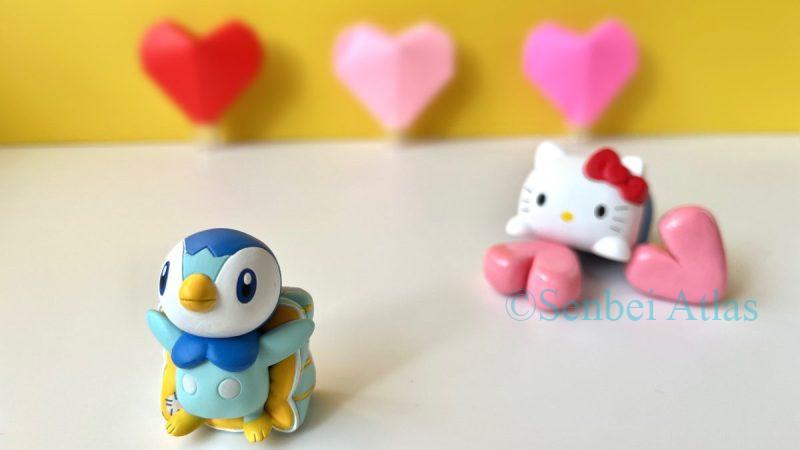
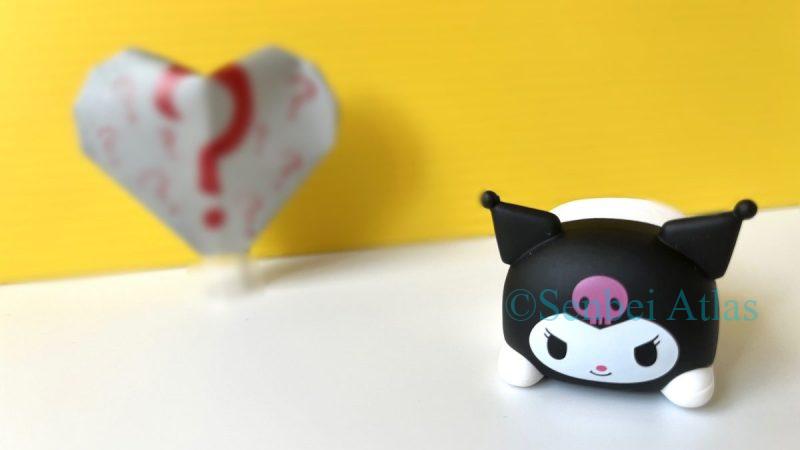
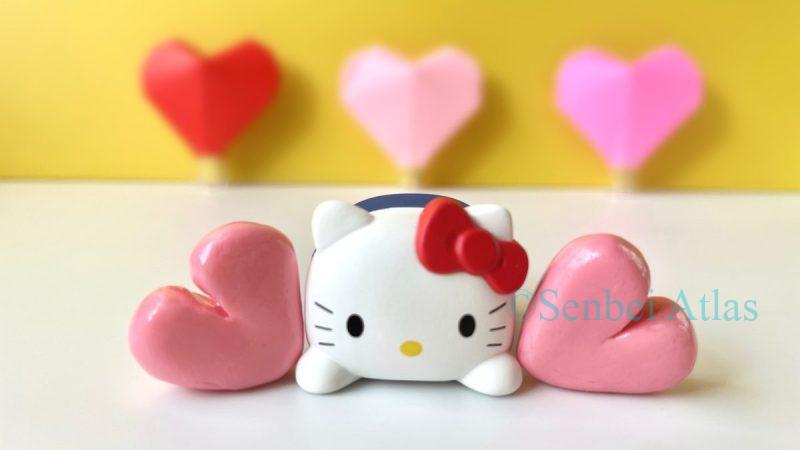
・Background Hearts: Hand-folded origami.
・Pink Hearts (held by characters): Handmade using white clay mixed with red food coloring.
▼ If you’re interested in unique aspects of Japanese culture, you’ll love this article too!