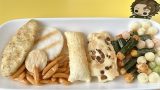
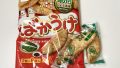
First of all, let me explain what Senbei (Japan’s Savory Umami Rice Snacks) are, including their cooking method, hardness, textures, and flavors!
Main Ingredients
The primary ingredient of senbei is non-glutinous rice (Uruchimai).
Note: In addition to senbei, there are similar savory umami rice snacks called “Okaki” and “Arare.” If you’re curious about the differences, check out this article “Senbei vs Okaki vs Arare.”
Cooking Method: Baked or Fried?
Did you know that the way a rice cracker is cooked completely changes its character? Most Japanese senbei fall into one of two categories: “Baked” or “Fried.”
Baked (Yaki Senbei)
This is the most traditional method.
The crackers are grilled over heat, which brings out the natural sweetness and toasty aroma of the rice.
They are generally lower in fat and have a clean savory finish that pairs perfectly with green tea.
If you’re health-conscious or looking for a guilt-free snack, baked senbei is the perfect choice for you!
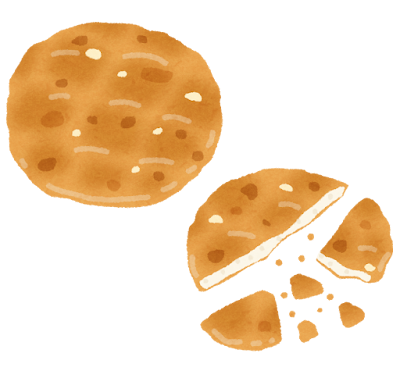
Fried (Age Senbei)
These crackers are deep-fried in oil, giving them a rich, bold flavor and an extra-crunchy, airy texture.
If you love snacks with a satisfying “pop” and a bit of decadence, this is the choice for you!
A famous example is Kabuki-age.
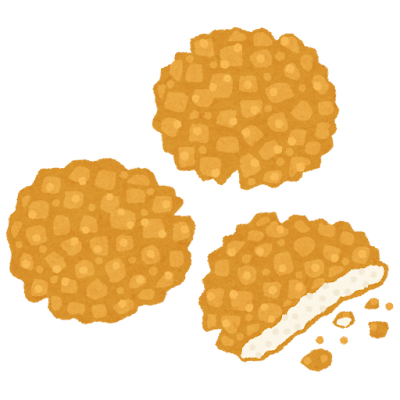
Hardness & Texture
The hardness of senbei varies widely, ranging from types so firm they give your jaw a good workout to soft varieties that are easy for children and seniors to enjoy!
Depending on the hardness, the texture also changes from a light “crisp” to a heavy “crunch.”
Level 1: Soft (Soft Senbei)
These have a light, crispy texture and a melt-in-the-mouth quality, making them soft enough for both children and seniors to enjoy easily.
🌸 Examples
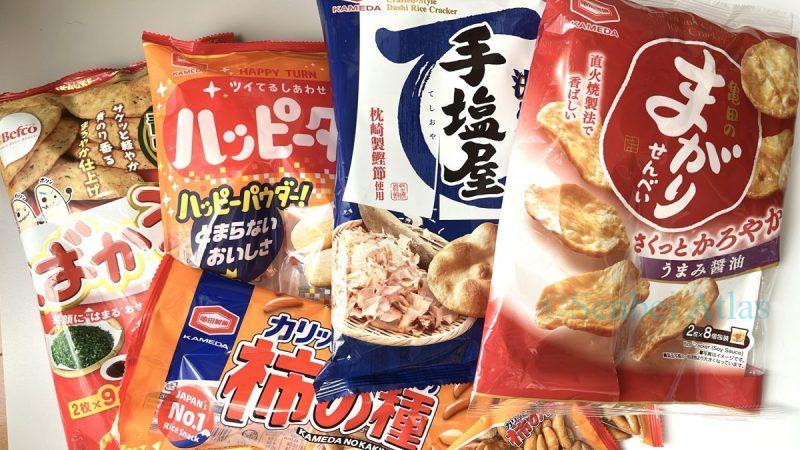
・Happy Turn: Features a light, airy, and melt-in-the-mouth texture.
・Soft Salad: A classic salt-flavored senbei with a very gentle crunch.
Level 2: Crispy & Light (Usuyaki)
These are thin and have a light, snappy texture.
They are perfect for those who enjoy a delicate crunch without too much effort.
🌸 Examples
・Magari Senbei: Known for its unique “warped” shape and a pleasant, crispy crunch.
・Usuyaki: Extra-thin crackers that provide a light and satisfying snappy texture.
Level 3: Crunchy (Standard)
These have a classic, satisfying “crunch” with just the right amount of resistance.
This is the most standard hardness for Japanese senbei, offering a perfect balance that isn’t too soft or too hard.
🌸 Examples
・Bakauke: Features a unique, crispy-yet-light texture thanks to its distinct banana shape.
・Teshioya: Features a unique puffy surface with a satisfying, firm, and crunchy bite.
Level 4: Extra Hard
These are thick, firm, and offer a substantial “crunch.”
They are for true senbei lovers who enjoy a bold, hard texture that really satisfies.
🌸 Example
・Soka Senbei: A traditional favorite known for its classic hard and solid crunch.
💡 Key Point
Currently, most senbei sold by major manufacturers have a hardness of Level 1 to 3, meaning they almost all have a texture that is easy to eat.
Flavors: From Classic to Unique
The best part of senbei is the incredible variety of flavors! Here are the four essential flavors you should definitely try:
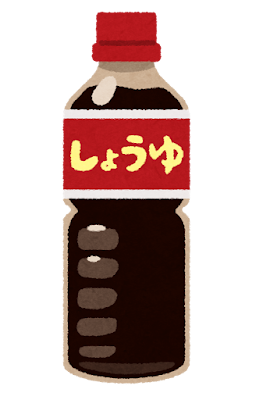
Soy Sauce (Shoyu)
The most iconic flavor.
It has a deep, savory, and slightly salty taste with a wonderful toasty aroma.
It’s the “Gold Standard” of Japanese rice crackers.
🌸 Example
・Soka Senbei: Known for its deep, savory, and pure soy sauce flavor.
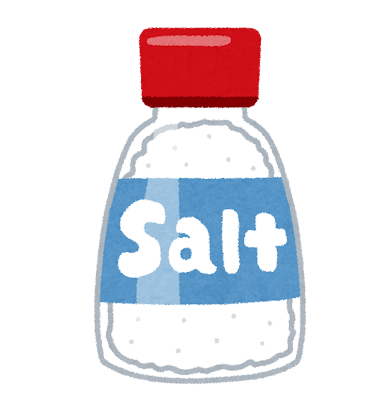
Salt (Shio)
Simple yet delicious.
The salt enhances the natural sweetness of the rice. It’s light, refreshing, and very easy to eat.
🌸 Example
・Teshioya (Salt flavor): Savory dashi-flavored salt with a firm and satisfying crunch.
Sweet & Savory (Sugar Soy Sauce)
A delightful mix of soy sauce and a coating of sugar.
This “sweet and salty” combination is addictive and very popular among international fans!
🌸 Examples
・Magari Senbei (Soy Sauce flavor): Sweet and savory soy sauce flavor with a light, crispy crunch.
・Happy Turn: Famous for its addictive “magic powder” with a unique sweet and salty finish.
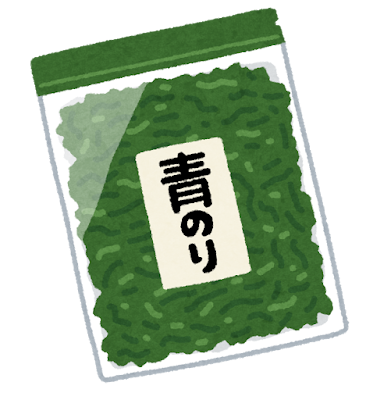
Nori Seaweed (Nori)
A savory cracker wrapped in or flecked with dried seaweed. It adds a touch of “Umami” and a fresh ocean aroma to every bite.
🌸 Examples
・Bakauke (Green Laver): Aromatic green seaweed and soy sauce glaze with a light, crispy texture.
・Nori P Pack: Savory soy sauce crackers wrapped in high-quality nori seaweed.
Shrimp (Ebi)
Made with real shrimp kneaded into the dough, these crackers have a rich, savory seafood aroma.
They often have a light, airy texture and a beautiful pink color, making them as pleasing to the eye as they are to the taste buds!

Shrimp flavor is one of my personal favorites! It’s incredibly savory and makes a perfect snack to pair with beer or other drinks.
🌸 Example
・Setoshio: A delicate salt flavor that highlights the rich, savory aroma of shrimp.
Other Flavors
There are so many more to explore!
From spicy versions with chili or wasabi, to dessert-like sweet varieties, the world of senbei is incredibly diverse.

🌸 Example
・Kaki no Tane: A sharp, spicy soy sauce kick.
Summary: How to Find Your Favorite
As you can see, the world of Japanese senbei is much deeper than it looks!
Whether you prefer a light and healthy baked snack or a rich and crunchy fried delight, there is definitely a perfect cracker out there for you.
Next time you visit a Japanese supermarket, why not try a few different types and find your favorite combination of texture and flavor?
▼ Don’t miss this: A must-read guide to the basics of Senbei, Okaki, and Arare. Surprisingly, even many Japanese people don’t know the real difference!