In an article introducing New Year’s Senbei (Japan’s Savory Umami Rice Snacks) for 2026, you’ve seen the terms “Okaki” and “Arare,” but how are they different from “Senbei“? 🤔
To give you the conclusion first: the difference lies in the type of rice used and the size of the cracker. Understanding this will make your Japanese snack experience 10 times more enjoyable! 👍
The Basic Differences
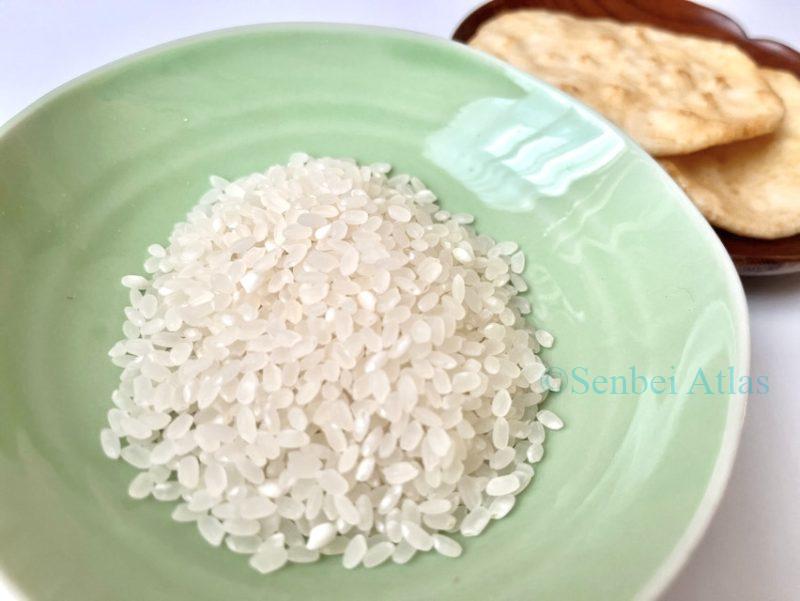
Ingredients
First, they are distinguished by their main ingredients: Non-glutinous rice or Glutinous rice.
| Rice Cracker Type | Main Ingredient |
| Senbei | Non-glutinous rice (Uruchimai / Short-grain rice) |
| Okaki & Arare | Glutinous rice (Mochigome / Sweet rice) |
Size
Next, the difference between Okaki and Arare is simply the size.
Okaki refers to larger pieces, while Arare refers to smaller, bite-sized pieces (named after “arare,” meaning hailstones).
It’s said that generally, pieces over 5 cm are “Okaki,” and those under 5 cm are “Arare.”
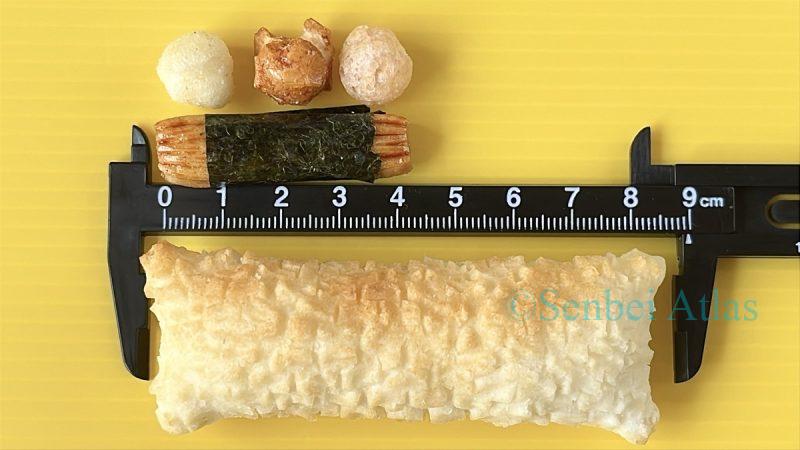
It’s fascinating how the name changes based on size. I was thinking, “The scale is totally different, but is it like a ‘Stone’ becoming a ‘Boulder’ just because it got bigger?” 😆
Occasional exceptions
While the definitions above are the general standard, some products don’t strictly follow the rules. For example:
・Products made from glutinous rice labeled freely as either “Okaki” or “Arare,” regardless of size.
・Products made from non-glutinous rice or flour labeled as “Arare.” (e.g., Hina Arare)
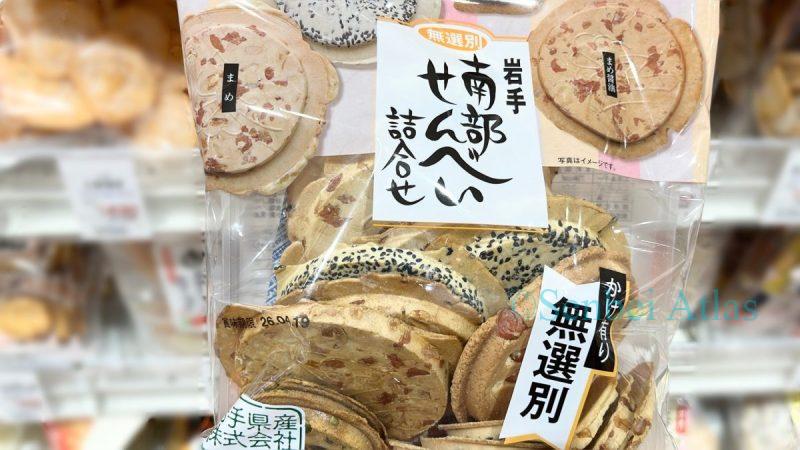
・Products made from flour labeled as “Senbei.” (e.g., Nanbu Senbei, 南部せんべい)
Does the type of rice affect the texture?
Yes, it does!
Texture of Senbei (Non-glutinous rice)
The textures vary completely depending on the product.
Traditional Senbei are known for their hard and crunchy texture. However, modern varieties offer a huge range, from crispy and light to airy and soft.
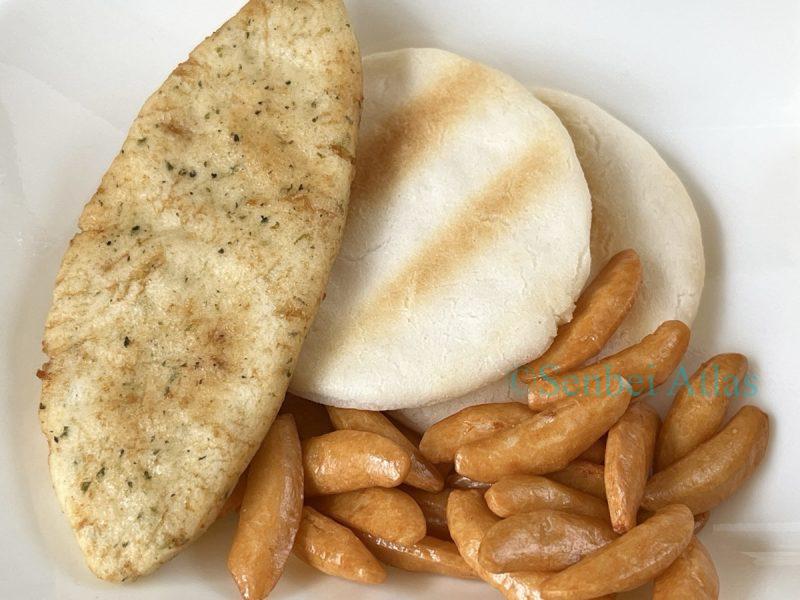
Nowadays, the latter—the lighter, crispier types—are overwhelmingly more popular and offer much more variety than the traditional hard ones.
You can find more about the different types of Senbei and how to select them right here!
Texture of Okaki & Arare (Glutinous rice)
Since glutinous rice expands when heated, many varieties have a light, airy, and crispy texture. Some have such a fine, delicate texture that they literally melt in your mouth 😋
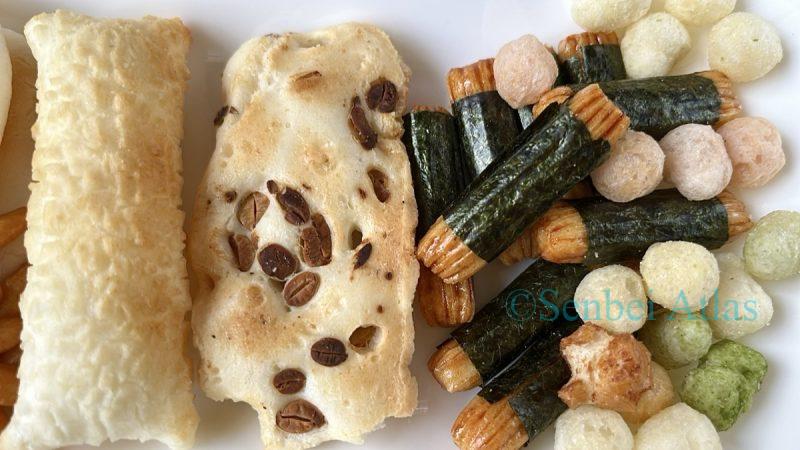
—By the way, if you compare the shelf space in Japanese stores, Senbei takes up about 80% of the section, while Okaki and Arare make up the remaining 20%. Senbei is overwhelmingly the most common!
Well, Just Relax and Enjoy Your Senbei Life!
If you asked a Japanese person to “go buy a few types of senbei,” they would probably bring back some okaki and arare too 😄
To be honest, I never really thought about the 3 differences until I started writing this article, so I had to do some research myself!
I think few Japanese people can accurately explain these differences.
Especially, I bet the number of people who know about the “5 cm boundary” between Okaki and Arare is as small as those who can accurately explain the difference between the UK and Great Britain! 🇬🇧😆
So, just keep these differences in the back of your mind and don’t worry about them too much. Just relax and enjoy your “senbei life”! 😄
This website features not only senbei but also okaki and arare, so there’s plenty to explore! 👍
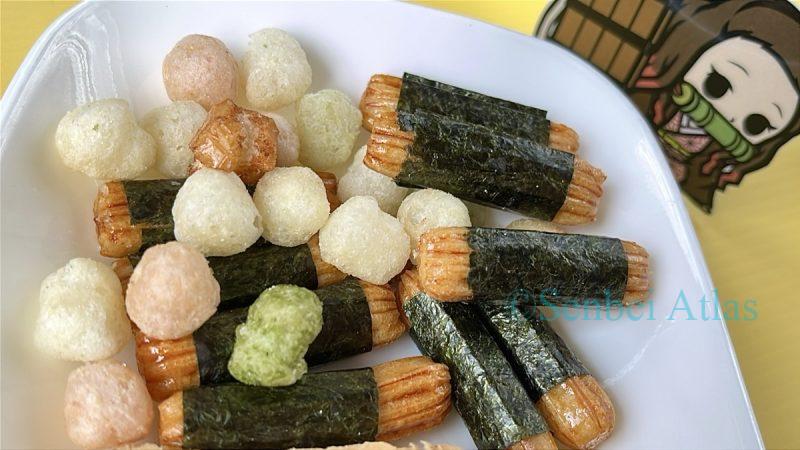
▼ Check out the article below for a more detailed explanation of “Senbei” 🍘