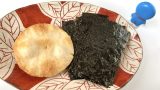
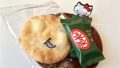
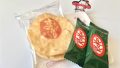
I’ve shared two posts about pairing Matcha KitKat with Senbei (Japan’s Savory Umami Rice Snacks) (#1: Happy Turn / #2: Teshioya), but it makes me wonder—why do they actually taste so incredible together? 🤔
I decided to dive deep into the reasons, including a scientific perspective.
Reason #1: The Magic of “Flavor Interactions”
Actually, I hold a chef’s license and have studied specialized knowledge about food.
One important concept I learned about deliciousness is “Flavor Interaction” (味の相互作用).
The pairing of matcha chocolate and savory senbei is a perfect example of this scientific phenomenon in action 🍵
What exactly are “Flavor Interactions”?
The flavors of food and drinks are categorized into five basic tastes: Sweet, Salty, Sour, Bitter, and Umami.
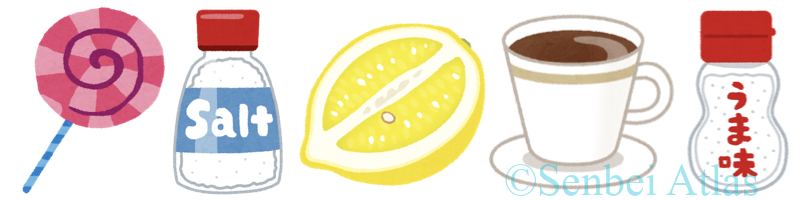
When these tastes are combined, they can change how we perceive them—sometimes making a taste feel stronger, and other times weaker.
This phenomenon is called “Flavor Interaction.”
There are three main types of flavor interactions: Contrast, Synergistic, and Inhibitory effects.
I believe the pairing of matcha chocolate and senbei hits two of these, which is why it tastes so incredibly good! 😋
The Contrast Effect: Finding Deliciousness in Different Tastes
The Contrast Effect occurs when two or more different tastes are combined, causing one or both of the tastes to be perceived more intensely.
For example, prosciutto and melon 🇮🇹 or salted caramel would fit the effect of contrast.

By pairing the “sweetness” and “bitterness” of matcha chocolate with the “saltiness” and “umami” of senbei, the flavors are highlighted and sharpened.
This interaction is exactly what makes us think, “Wow, this is delicious!” ✨
The Synergistic Effect: Enhancing the Same Taste
The Synergistic Effect occurs when you combine two or more ingredients that share the same type of taste, making that specific flavor much stronger than if you had them separately.
A classic example is Consommé: the savory umami from meat (like bacon) meets the umami from vegetables (like tomatoes), creating a rich, deep flavor. (Japanese “Dashi” is another masterpiece of this effect!)

In the world of matcha chocolate and senbei, the umami in matcha (Theanine) combines with the umami in senbei (Amino acids from rice and Glutamic acid from soy sauce).
This layering of umami is why we experience such a profound and satisfying taste.
—That’s why I believe this pairing offers a sophisticated, deep flavor that adults, in particular, will truly enjoy 😋
Reason #2: The Contrast in Texture
Matcha chocolate is rich in oils, giving it a smooth, melt-in-your-mouth texture.
On the other hand, senbei is dry and offers a crunchy, crispy “garigari” or “paripari” bite.
Combining these contrasting textures keeps you eating without getting bored, and enjoying the variety of textures also provides a sense of satisfaction ✨
Additionally, the dry crispness of the senbei helps cleanse the palate of the chocolate’s richness, leaving you with a clean and pleasant aftertaste 👍
Reason #3: The Habit of Pairing Senbei with Green Tea
This is my personal take, but in Japan 🇯🇵, we often drink green tea while eating senbei.
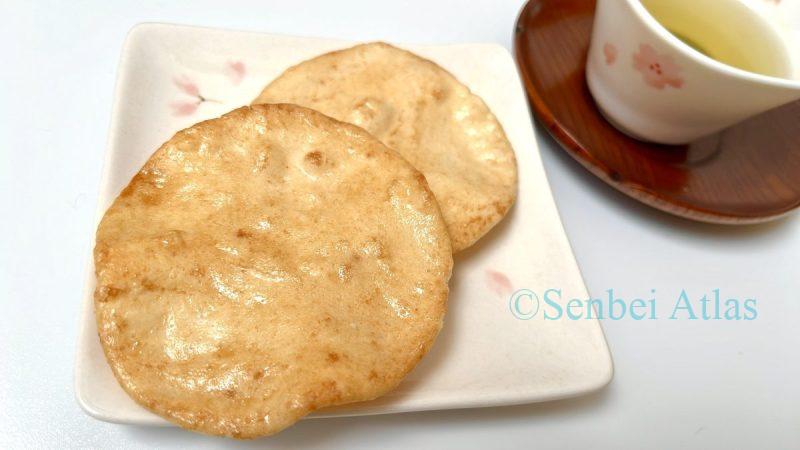
Because we are so familiar with this flavor combination, I think we naturally find the Matcha-Senbei pairing delicious 😋
Our past experiences and the subconscious link of “Senbei + Green Tea” help us accept this combination easily, making it feel “right” emotionally 🌝🍵
Psychology and preconceived notions play a huge role in how we perceive flavor.
Even if a pairing is scientifically perfect, if it’s too unexpected, our minds might struggle to enjoy it.
( A great example is pineapple in Sweet and Sour Pork.
While the flavors actually balance well, many people think, “Fruit in a savory dish?! No way! ☹️” and that mental barrier stops them from enjoying it. )
—Of course, this third reason might only apply to those of us who grew up with the habit of tea and crackers! 🇯🇵
Conclusion
After reading these three reasons, do you now feel like, “Of course they match!”?
So, based on this theory, how would matcha chocolate pair with “soy sauce-flavored senbei”?
Next time, in Pairing Edition Vol.3, I reviewed the combination of “Magari Senbei” and Matcha KitKat. Take a look!

▼ For the intellectually curious: You might also enjoy this deep dive!